
5 Killer Quora Answers To Pod-Making Machines
페이지 정보

본문
Detergent pod-making machines (Continue)
From K-Cup(r) and Tassimo(tm) to Nespresso(tm) and Senseo(tm), there are a variety of pod coffee capsule machine capsule coffee machines to choose from. They all function in the same manner by heating water by pressing the button.
The process of making pods is more complex yet it's still simple enough to complete by yourself. Here are some of the things to look for in a pod-making machine
Detergent Pod Manufacturing
Detergent pods are easy to use efficient, effective, and green. How do they make them? The process is surprisingly straightforward. A single-dose pod is filled with a dissolvable water-soluble film. This film is typically composed of polyvinyl alcohol which dissolves in water and does not leave any residue on clothing. A few other ingredients are added into the detergent formula such as chelating agents to soften hard water and decrease detergent degradation optical brighteners to improve the appearance of whites and also fragrances or other ingredients to create pleasant scents.
The sachets then get sealed and sealed to keep the contents safe from contamination and moisture during storage, transport and use. Laundry pod makers employ high-speed production methods to keep up with demand. They can make between 600 and 240 pods each minute. This ensures that the product is delivered according to deadlines.
While many of these items are made by third-party companies, Tide makes some of its own pods. The company uses high-quality, U.S-made ingredients, and doesn't import low-cost substitutes. It also makes sure to verify and trace its raw ingredients.
A laundry pod capsule coffee maker machine includes a product hopper that stores liquid detergent until it is needed. Then, a precisely-sized dispenser fills each pod with precisely measured amounts of detergent. The machine then seals each pod. The machine's patented design protects the film's water solubility, while routine inspections maintain 0.02ml filling accuracy.
In addition to PVA and PVA, pod films also contain minor ingredients that help them fight against liquids and also impart other properties, including the ability to taste awful. MonoSol, for example is made up of Bitrex, an ammonium quaternary compound known as denatonium. This chemical is so bitter that it is able to repel humans at concentrations as low as 0.01 percent. It also discourages children and pets from putting sachets in their mouths.
When you're not using your laundry pods, keep them out of the reach of young children or pets. Away from moisture and light can prevent their ingredients from degrading prematurely and storing them in a proper manner will prolong the time of the detergent within the pod. Always remove laundry pods from the premises after use.
Detergent Packaging for Pods
Detergent pods are an increasing trend that is gaining market share for laundry and dishwasher detergents and personal items like shampoo. They contain a concentrated mixture of surfactants and other cleaning ingredients that are contained in a water-soluble film. They are easy to use, simple to store, and are a safe alternative to liquid detergents.
Contrary to traditional detergent containers which are made from PET plastic and may contain harmful chemicals like 1,4-dioxane. Pods contain a cocktail of harsh chemicals that are enclosed by a layer of polyvinyl alcohol. The chemicals used in these containers can differ based on the brand. They may include bleaches and surfactants as well as solvents, optical brighteners or enzymes. The manufacturers list these ingredients on their websites.
The PVA film used to cover pods is biodegradable and included in the CleanGredients database of the Environmental Protection Agency. It also holds the Nordic Swan eco-label, one of the most rigorous ecolabels in existence. The EPA says it can be broken down into simple, natural compounds found in soil and wastewater plants.
Laundry pods are a popular alternative to liquid detergent, and a variety of brands offer an array of choices, from basic laundry detergent to fabric softeners and stain removers. According to an Nohbo study in the US laundry pods make up 15% of household soap sales.
Most pods are made up of a single dose, however some include fabric softeners and stain removers as well as scent boosters. Many manufacturers add anti-bacterial ingredients to the detergent to fight against bacteria, too.
Many have complained about the fact that laundry pods do not dissolve completely, despite their convenience. This can be a result of filling the washer too full, using water that is cold, or by adding the pods too early in the cycle. It could also occur when consumers don't follow the directions carefully, as the pods require an appropriate temperature and water pressure to dissolve properly.
Pods are not toys. Therefore, consumers should keep them in a secure location and keep them out of reach of children. They should also be emptied before being put in the dishwasher or washing machine. Recycling the packaging as soon as it is possible can help reduce waste and avoid pollution.
Detergent Pod Filling
Laundry pods have become a huge success in household cleaning products, and are rapidly taking over from traditional liquid detergents. The adorable little packets are convenient, simple to use and don't require any measurement. They are available in different sizes and strengths. Depending on the kind of laundry you wash, you can choose between single-dose pods, multi compartment pods, or even powder detergent.
The thin film that encapsulates pods is the primary factor in their success. It should be able to hold liquids and solids that are chemically active and yet maintain its shape. However, it should be able to dissolve completely and rapidly in water - even cold water. Many companies have settled on a polymer known as PVA which has both of these properties. The remainder of the pod is made up of powerful detergents, bleaches and solvents. It also has optical brighteners, preservatives, enzymes, and preservatives. Typically, manufacturers reveal the ingredients of their detergents.
Unlike liquid and powder detergents that are packaged in high-density polyethylene, pods are made from plant-based polymers that can be broken into smaller pieces by microbes that live in soil or ocean waters. Researchers at the Woods Hole Oceanographic Institution claim that PVA degrades within less than 70 days in the sewage sludge. This is much faster than conventional detergents which can take hundreds of years to break down.
Although laundry pods have revolutionized the way we wash clothes, they are not without their flaws. One disadvantage is that they are more expensive than liquid or powder detergents. In addition, if you accidentally lick a pod while handling it, you'll be met by a bitter taste and a chemical burn.
Another disadvantage is that they're not as flexible as traditional detergents. The laundry pods are restricted to the specific wash cycle that is listed on the packaging. This could be an issue for front-loading and top-loading washing machines that have an automatic detergent dispensers and fabric softeners. If your washer has an agitator, the pods might not dissolve correctly.
Talk to your local laundry for the best choice. Be sure to take the time to read the directions carefully. If your clothes have streaks or spotted after washing them with a pod, you must immediately wash them without adding any more detergent. Don't dry clothes that are stained by detergent because the heat may make it more difficult to remove the stain after.
Detergent Pod Inspection
Laundry detergents pods are well-known because they dissolve quickly and effectively in hot, soapy water. They also remove stains from most fabric. However they aren't without controversy. Many activists refer to them as plastic and they are a growing cause of marine debris and litter. While it is true that the polyvinyl alcohol and PVOH that are used to make pods are derived from petroleum, the manufacturers claim that the plastics aren't as harmful as other kinds of plastics because they biodegrade in water.
Since laundry pods were first introduced in 2012, they have become extremely popular and represent more than three-quarters of the country's liquid detergent sales. Many major brands now sell the sachets, which are similar in size as an ice cube and are available in various colors and scents. The pods are also marketed as eco-friendly, with the Cleaning Institute (which represents large detergent multinationals like Procter and Gamble) arguing that the blending of detergent into a pre-measured dosage results in smaller packaging, less weight, and lower shipping emissions. The manufacturers claim that the plant starches in the pods as well as other natural substances make them water-soluble and biodegrade rapidly in water treatment plants.
However, despite all the hype, the pods are still dangerous if mishandled. The thin membranes that contain the detergent are able to break open and cause irritation to eyes or skin. If inhaled they can cause poisoning by chemical. The outer packaging that is designed to protect children from the pods may also split at the zipper track. Consumer Reports asked manufacturers to make pods more secure in September 2012 by changing the transparent containers to opaque ones and also adding child-resistant locks. Several manufacturers responded and some added safety warnings.
In the meantime, to avoid any issues, keep the pods out of the reach of children and seniors and away from pets. Store them high or secure them to stop children from mistakenly identifying the pods as candy. Also, ensure that you make use of a detergent that is compatible with your type of washer. Also, be aware that cold water, especially when it's lower than 60 degrees Fahrenheit--might not fully dissolve the pod and could create a blockage for your machine, or cause residue of detergent on the fabric.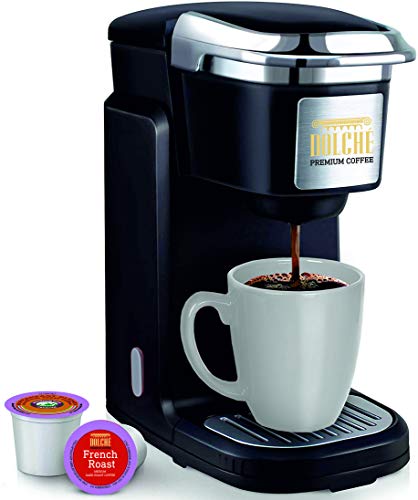
From K-Cup(r) and Tassimo(tm) to Nespresso(tm) and Senseo(tm), there are a variety of pod coffee capsule machine capsule coffee machines to choose from. They all function in the same manner by heating water by pressing the button.
The process of making pods is more complex yet it's still simple enough to complete by yourself. Here are some of the things to look for in a pod-making machine
Detergent Pod Manufacturing
Detergent pods are easy to use efficient, effective, and green. How do they make them? The process is surprisingly straightforward. A single-dose pod is filled with a dissolvable water-soluble film. This film is typically composed of polyvinyl alcohol which dissolves in water and does not leave any residue on clothing. A few other ingredients are added into the detergent formula such as chelating agents to soften hard water and decrease detergent degradation optical brighteners to improve the appearance of whites and also fragrances or other ingredients to create pleasant scents.
The sachets then get sealed and sealed to keep the contents safe from contamination and moisture during storage, transport and use. Laundry pod makers employ high-speed production methods to keep up with demand. They can make between 600 and 240 pods each minute. This ensures that the product is delivered according to deadlines.
While many of these items are made by third-party companies, Tide makes some of its own pods. The company uses high-quality, U.S-made ingredients, and doesn't import low-cost substitutes. It also makes sure to verify and trace its raw ingredients.
A laundry pod capsule coffee maker machine includes a product hopper that stores liquid detergent until it is needed. Then, a precisely-sized dispenser fills each pod with precisely measured amounts of detergent. The machine then seals each pod. The machine's patented design protects the film's water solubility, while routine inspections maintain 0.02ml filling accuracy.
In addition to PVA and PVA, pod films also contain minor ingredients that help them fight against liquids and also impart other properties, including the ability to taste awful. MonoSol, for example is made up of Bitrex, an ammonium quaternary compound known as denatonium. This chemical is so bitter that it is able to repel humans at concentrations as low as 0.01 percent. It also discourages children and pets from putting sachets in their mouths.
When you're not using your laundry pods, keep them out of the reach of young children or pets. Away from moisture and light can prevent their ingredients from degrading prematurely and storing them in a proper manner will prolong the time of the detergent within the pod. Always remove laundry pods from the premises after use.
Detergent Packaging for Pods
Detergent pods are an increasing trend that is gaining market share for laundry and dishwasher detergents and personal items like shampoo. They contain a concentrated mixture of surfactants and other cleaning ingredients that are contained in a water-soluble film. They are easy to use, simple to store, and are a safe alternative to liquid detergents.
Contrary to traditional detergent containers which are made from PET plastic and may contain harmful chemicals like 1,4-dioxane. Pods contain a cocktail of harsh chemicals that are enclosed by a layer of polyvinyl alcohol. The chemicals used in these containers can differ based on the brand. They may include bleaches and surfactants as well as solvents, optical brighteners or enzymes. The manufacturers list these ingredients on their websites.
The PVA film used to cover pods is biodegradable and included in the CleanGredients database of the Environmental Protection Agency. It also holds the Nordic Swan eco-label, one of the most rigorous ecolabels in existence. The EPA says it can be broken down into simple, natural compounds found in soil and wastewater plants.
Laundry pods are a popular alternative to liquid detergent, and a variety of brands offer an array of choices, from basic laundry detergent to fabric softeners and stain removers. According to an Nohbo study in the US laundry pods make up 15% of household soap sales.
Most pods are made up of a single dose, however some include fabric softeners and stain removers as well as scent boosters. Many manufacturers add anti-bacterial ingredients to the detergent to fight against bacteria, too.
Many have complained about the fact that laundry pods do not dissolve completely, despite their convenience. This can be a result of filling the washer too full, using water that is cold, or by adding the pods too early in the cycle. It could also occur when consumers don't follow the directions carefully, as the pods require an appropriate temperature and water pressure to dissolve properly.
Pods are not toys. Therefore, consumers should keep them in a secure location and keep them out of reach of children. They should also be emptied before being put in the dishwasher or washing machine. Recycling the packaging as soon as it is possible can help reduce waste and avoid pollution.
Detergent Pod Filling
Laundry pods have become a huge success in household cleaning products, and are rapidly taking over from traditional liquid detergents. The adorable little packets are convenient, simple to use and don't require any measurement. They are available in different sizes and strengths. Depending on the kind of laundry you wash, you can choose between single-dose pods, multi compartment pods, or even powder detergent.
The thin film that encapsulates pods is the primary factor in their success. It should be able to hold liquids and solids that are chemically active and yet maintain its shape. However, it should be able to dissolve completely and rapidly in water - even cold water. Many companies have settled on a polymer known as PVA which has both of these properties. The remainder of the pod is made up of powerful detergents, bleaches and solvents. It also has optical brighteners, preservatives, enzymes, and preservatives. Typically, manufacturers reveal the ingredients of their detergents.
Unlike liquid and powder detergents that are packaged in high-density polyethylene, pods are made from plant-based polymers that can be broken into smaller pieces by microbes that live in soil or ocean waters. Researchers at the Woods Hole Oceanographic Institution claim that PVA degrades within less than 70 days in the sewage sludge. This is much faster than conventional detergents which can take hundreds of years to break down.
Although laundry pods have revolutionized the way we wash clothes, they are not without their flaws. One disadvantage is that they are more expensive than liquid or powder detergents. In addition, if you accidentally lick a pod while handling it, you'll be met by a bitter taste and a chemical burn.
Another disadvantage is that they're not as flexible as traditional detergents. The laundry pods are restricted to the specific wash cycle that is listed on the packaging. This could be an issue for front-loading and top-loading washing machines that have an automatic detergent dispensers and fabric softeners. If your washer has an agitator, the pods might not dissolve correctly.
Talk to your local laundry for the best choice. Be sure to take the time to read the directions carefully. If your clothes have streaks or spotted after washing them with a pod, you must immediately wash them without adding any more detergent. Don't dry clothes that are stained by detergent because the heat may make it more difficult to remove the stain after.
Detergent Pod Inspection
Laundry detergents pods are well-known because they dissolve quickly and effectively in hot, soapy water. They also remove stains from most fabric. However they aren't without controversy. Many activists refer to them as plastic and they are a growing cause of marine debris and litter. While it is true that the polyvinyl alcohol and PVOH that are used to make pods are derived from petroleum, the manufacturers claim that the plastics aren't as harmful as other kinds of plastics because they biodegrade in water.
Since laundry pods were first introduced in 2012, they have become extremely popular and represent more than three-quarters of the country's liquid detergent sales. Many major brands now sell the sachets, which are similar in size as an ice cube and are available in various colors and scents. The pods are also marketed as eco-friendly, with the Cleaning Institute (which represents large detergent multinationals like Procter and Gamble) arguing that the blending of detergent into a pre-measured dosage results in smaller packaging, less weight, and lower shipping emissions. The manufacturers claim that the plant starches in the pods as well as other natural substances make them water-soluble and biodegrade rapidly in water treatment plants.
However, despite all the hype, the pods are still dangerous if mishandled. The thin membranes that contain the detergent are able to break open and cause irritation to eyes or skin. If inhaled they can cause poisoning by chemical. The outer packaging that is designed to protect children from the pods may also split at the zipper track. Consumer Reports asked manufacturers to make pods more secure in September 2012 by changing the transparent containers to opaque ones and also adding child-resistant locks. Several manufacturers responded and some added safety warnings.
In the meantime, to avoid any issues, keep the pods out of the reach of children and seniors and away from pets. Store them high or secure them to stop children from mistakenly identifying the pods as candy. Also, ensure that you make use of a detergent that is compatible with your type of washer. Also, be aware that cold water, especially when it's lower than 60 degrees Fahrenheit--might not fully dissolve the pod and could create a blockage for your machine, or cause residue of detergent on the fabric.
- 이전글It's The Ugly Facts About Upvc Doors Manchester 24.10.20
- 다음글15 Reasons Not To Ignore Ghost Immobiliser Installation 24.10.20
댓글목록
등록된 댓글이 없습니다.


