
The Biggest Problem With Composite Door Repair, And How You Can Fix It
페이지 정보

본문
Composite Door Repairs Near Me
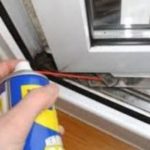 When they're damaged, doors can be the most vulnerable entry point into your home. This could compromise your security. Re-caulking your door and adding weather stripping can repair drafty doors.
Small issues like frames that are sagging can be fixed with a little sanding and carpenters glue. Larger projects like replacing a damaged hinge require the assistance of a professional.
Glass Breakage
Glass is a beautiful modern and contemporary feature in many homes including windows that let the light in and open up a room to European shower doors that give a bathroom modern, sleek appearance. These features come with a risk of damage and breaking, which can be a safety and aesthetic concern for homeowners. Luckily they can be addressed with some simple repair techniques.
The first step to repair glass is to ensure that the broken area is dry and free of moisture. This is vital to avoid further damage to the area as well as the risk of injury from sharp or sharp pieces. Use a cloth or sponge to gently wipe the surface to remove any traces.
After the area is cleaned, it's recommended to tape the entire surface. This will stop any broken pieces from strewn around the room, reducing mess and avoiding any injuries caused by glass shards. It is also beneficial to put on some heavy-duty gloves and wear closed-toe footwear when handling any shattered glass.
It is also important to look over the area and see whether there are any parts of the glass that could have gaps that could lead to further damage or breakage. The use of a gap filling epoxy can assist in sealing any gaps between the surfaces of the glass to stop water or other elements from seeping into the crack and causing more damage.
Follow the mixing and application directions on the packaging of the glue when attempting to fill the gap. Working in a well ventilated area is advised. Wearing nitrile or latex safety gloves will help. It is also crucial to wash all skin areas that came into contact with the glue immediately and thoroughly.
There are many reasons why glass can break, including internal flaws and impacts. Internal defects can include nicks that are made of steel or nickel, which can be caused by the machines used to form and handle the glass. They can alter the chemical composition of the glass, which causes it to shrink over time. This is more frequent in fully-tempered glass and can cause it to break if the strain from the internal defect exceeds its strength.
Doors that stick
Doors that stick can be a hassle to resolve. The issue can be caused by a variety of factors including a sagging frame or loose hinge screws to wood swelling because of humidity. While some problems can be solved by simply tightening the hinges, some may require a more substantial repair. This is why it's important to consult a professional to get the most complete solution you can get.
The first thing to do is to determine where the door is rubbing against the frame. Examine the frame and door for indications such as scratches or worn edges. You can also shut the door, and place your hands on various places on the frame to feel resistance. If you're unable to determine the area where the door is pressing against the frame, try moving an object of paper or something similar to it along the gap while the door is closed to see where it becomes stuck.
Once you've pinpointed the location where the door is rubbing against the frame, it is time to repair it. If your door is sagging because of humidity, a humidifier will help regulate moisture levels. If not, it may be necessary to invest in a block plane. This will allow you cut the door's surface to ensure that it doesn't rub on the frame when opened and closed.
It is also important to keep in mind that the type and the quality of the wood used to construct your doorframe will affect the degree of vulnerability to fluctuations in humidity. uPVC frames, for instance, are less likely than wooden ones to stick because they don't expand under extreme moisture levels.
Broken Hinges
Over time, the hinges of your doors can wear out, which causes them to sag and/or stick. They're also the primary way your door opens and closes, so it's crucial that they work correctly. If you let the problem of hinges unchecked for too long it could lead to problems with the door frame and the locking hardware.
Hinges are made of different materials, but are generally identical in their function. The hinges used on doors for interior use use two to three hinges which are placed on the vertical edge. They can be moved both outwards and inwards. They are prone to wear and tear as well as damage from other occurrences like roughhousing, moving, or even a lot of slamming.
Other types of hinges like saloon hinges can be installed on heavier, solid core wood doors, or metal-clad doors to increase strength and security. The kind of hinge used on your door is in a lot of ways with the door as well as what kind of lock is used.
If your door is stuck, it's usually because the hinge pin bushings are worn out and are no longer able to support the weight of the door. In this case you can reduce the weight of the door hinge by lightly applying lubrication to the hinge and then using small hammers to gently drive the bushings into position. You can replace the bushings, in the event that they are damaged beyond repair or if you want something more permanent.
The hinges on your frame and door say a lot about the quality of the frame itself. A sturdy, well-constructed hinge can make the difference between a sturdy door frame that functions and one that will eventually fail and cause problems with the operation of your doors or even your home’s structural quality.
If the hinges on your door have gotten swollen because of moisture or the screws that hold them up have become worn, then the best option may be to rebuild the frame. This can be done in a variety of ways based on what the problem is. It is essential to speak with your Physical Security specialist about any concerns you have about fire-rated openings prior to making any changes to your hinges or the door frame.
Frames damaged
When they're welcoming guests into a home or keeping the intruders out, doors have to perform their duties correctly. When the frames get damaged, it can affect their performance, and can even be risky. Many DIY repairs can be done by homeowners, however larger projects such as replacing a frame, or adding weather stripping will require a professional.
Replacing a door frame can cost as little as $32 for a basic slab of wood, up to $673 for custom wood or composite door repair near me ones. Installing a pre-hung door with frame costs between $109 and $240. The most commonly used materials for door frames are metal and wood. Metal and composite front door replacement materials that are less prone to chipping and require less maintenance also be found.
Small repairs such as tightening hinges, sanding adding insulation tape, and caulking can be done by most people. However, if you have carpentry skills, it is possible to solve more complicated issues. For instance, if the door frame is falling apart it is possible to sand the edges and apply a coat varnish to help it keep its shape. If the frame is cracked then carpenters glue the pieces together and then add screws to reinforce them.
The most common problem with door frames is rot, which can lead to sections of the frame becoming brittle or falling apart. Wood rot is usually caused by water leaks. A rot repair kit that includes epoxy putty or fiberglass filler can be used to fix damaged parts and seal leaks.
Other types of damage include dents and dings from children who kick doors or strollers that roll into them. A kick plate can be used to conceal the marks and protect the door from further damage. By adding dead bolts or hinge guards to the doors can reduce the chances of children or pets accidentally putting their fingers into the door hinges.
 There are people who have problems with the height of their composite door crack repair frame and require adjusting the gap between the jamb and rough opening. This is a straightforward DIY however, you might need a friend to help lift the frame and place shims in the hinges between the jambs and the wall.
When they're damaged, doors can be the most vulnerable entry point into your home. This could compromise your security. Re-caulking your door and adding weather stripping can repair drafty doors.Small issues like frames that are sagging can be fixed with a little sanding and carpenters glue. Larger projects like replacing a damaged hinge require the assistance of a professional.
Glass Breakage
Glass is a beautiful modern and contemporary feature in many homes including windows that let the light in and open up a room to European shower doors that give a bathroom modern, sleek appearance. These features come with a risk of damage and breaking, which can be a safety and aesthetic concern for homeowners. Luckily they can be addressed with some simple repair techniques.
The first step to repair glass is to ensure that the broken area is dry and free of moisture. This is vital to avoid further damage to the area as well as the risk of injury from sharp or sharp pieces. Use a cloth or sponge to gently wipe the surface to remove any traces.
After the area is cleaned, it's recommended to tape the entire surface. This will stop any broken pieces from strewn around the room, reducing mess and avoiding any injuries caused by glass shards. It is also beneficial to put on some heavy-duty gloves and wear closed-toe footwear when handling any shattered glass.
It is also important to look over the area and see whether there are any parts of the glass that could have gaps that could lead to further damage or breakage. The use of a gap filling epoxy can assist in sealing any gaps between the surfaces of the glass to stop water or other elements from seeping into the crack and causing more damage.
Follow the mixing and application directions on the packaging of the glue when attempting to fill the gap. Working in a well ventilated area is advised. Wearing nitrile or latex safety gloves will help. It is also crucial to wash all skin areas that came into contact with the glue immediately and thoroughly.
There are many reasons why glass can break, including internal flaws and impacts. Internal defects can include nicks that are made of steel or nickel, which can be caused by the machines used to form and handle the glass. They can alter the chemical composition of the glass, which causes it to shrink over time. This is more frequent in fully-tempered glass and can cause it to break if the strain from the internal defect exceeds its strength.
Doors that stick
Doors that stick can be a hassle to resolve. The issue can be caused by a variety of factors including a sagging frame or loose hinge screws to wood swelling because of humidity. While some problems can be solved by simply tightening the hinges, some may require a more substantial repair. This is why it's important to consult a professional to get the most complete solution you can get.
The first thing to do is to determine where the door is rubbing against the frame. Examine the frame and door for indications such as scratches or worn edges. You can also shut the door, and place your hands on various places on the frame to feel resistance. If you're unable to determine the area where the door is pressing against the frame, try moving an object of paper or something similar to it along the gap while the door is closed to see where it becomes stuck.
Once you've pinpointed the location where the door is rubbing against the frame, it is time to repair it. If your door is sagging because of humidity, a humidifier will help regulate moisture levels. If not, it may be necessary to invest in a block plane. This will allow you cut the door's surface to ensure that it doesn't rub on the frame when opened and closed.
It is also important to keep in mind that the type and the quality of the wood used to construct your doorframe will affect the degree of vulnerability to fluctuations in humidity. uPVC frames, for instance, are less likely than wooden ones to stick because they don't expand under extreme moisture levels.
Broken Hinges
Over time, the hinges of your doors can wear out, which causes them to sag and/or stick. They're also the primary way your door opens and closes, so it's crucial that they work correctly. If you let the problem of hinges unchecked for too long it could lead to problems with the door frame and the locking hardware.
Hinges are made of different materials, but are generally identical in their function. The hinges used on doors for interior use use two to three hinges which are placed on the vertical edge. They can be moved both outwards and inwards. They are prone to wear and tear as well as damage from other occurrences like roughhousing, moving, or even a lot of slamming.
Other types of hinges like saloon hinges can be installed on heavier, solid core wood doors, or metal-clad doors to increase strength and security. The kind of hinge used on your door is in a lot of ways with the door as well as what kind of lock is used.
If your door is stuck, it's usually because the hinge pin bushings are worn out and are no longer able to support the weight of the door. In this case you can reduce the weight of the door hinge by lightly applying lubrication to the hinge and then using small hammers to gently drive the bushings into position. You can replace the bushings, in the event that they are damaged beyond repair or if you want something more permanent.
The hinges on your frame and door say a lot about the quality of the frame itself. A sturdy, well-constructed hinge can make the difference between a sturdy door frame that functions and one that will eventually fail and cause problems with the operation of your doors or even your home’s structural quality.
If the hinges on your door have gotten swollen because of moisture or the screws that hold them up have become worn, then the best option may be to rebuild the frame. This can be done in a variety of ways based on what the problem is. It is essential to speak with your Physical Security specialist about any concerns you have about fire-rated openings prior to making any changes to your hinges or the door frame.
Frames damaged
When they're welcoming guests into a home or keeping the intruders out, doors have to perform their duties correctly. When the frames get damaged, it can affect their performance, and can even be risky. Many DIY repairs can be done by homeowners, however larger projects such as replacing a frame, or adding weather stripping will require a professional.
Replacing a door frame can cost as little as $32 for a basic slab of wood, up to $673 for custom wood or composite door repair near me ones. Installing a pre-hung door with frame costs between $109 and $240. The most commonly used materials for door frames are metal and wood. Metal and composite front door replacement materials that are less prone to chipping and require less maintenance also be found.
Small repairs such as tightening hinges, sanding adding insulation tape, and caulking can be done by most people. However, if you have carpentry skills, it is possible to solve more complicated issues. For instance, if the door frame is falling apart it is possible to sand the edges and apply a coat varnish to help it keep its shape. If the frame is cracked then carpenters glue the pieces together and then add screws to reinforce them.
The most common problem with door frames is rot, which can lead to sections of the frame becoming brittle or falling apart. Wood rot is usually caused by water leaks. A rot repair kit that includes epoxy putty or fiberglass filler can be used to fix damaged parts and seal leaks.
Other types of damage include dents and dings from children who kick doors or strollers that roll into them. A kick plate can be used to conceal the marks and protect the door from further damage. By adding dead bolts or hinge guards to the doors can reduce the chances of children or pets accidentally putting their fingers into the door hinges.
There are people who have problems with the height of their composite door crack repair frame and require adjusting the gap between the jamb and rough opening. This is a straightforward DIY however, you might need a friend to help lift the frame and place shims in the hinges between the jambs and the wall.- 이전글Think You're Cut Out For Doing Asbestos Exposure Mesothelioma? Answer This Question 24.10.18
- 다음글월드라이브바카라게임✝(tm4242·COM)✝플래시게임개발안전한바카라 주소우리바카라 24.10.18
댓글목록
등록된 댓글이 없습니다.


