
10 Things That Your Family Teach You About Fix Car Ignition
페이지 정보

본문
How to fix car ignition (from the tourmin.co.kr blog) Problems
The car won't start until the ignition switch transmits an electrical signal to the starter motor. Over time, normal wear and tear could cause the switch to fail.
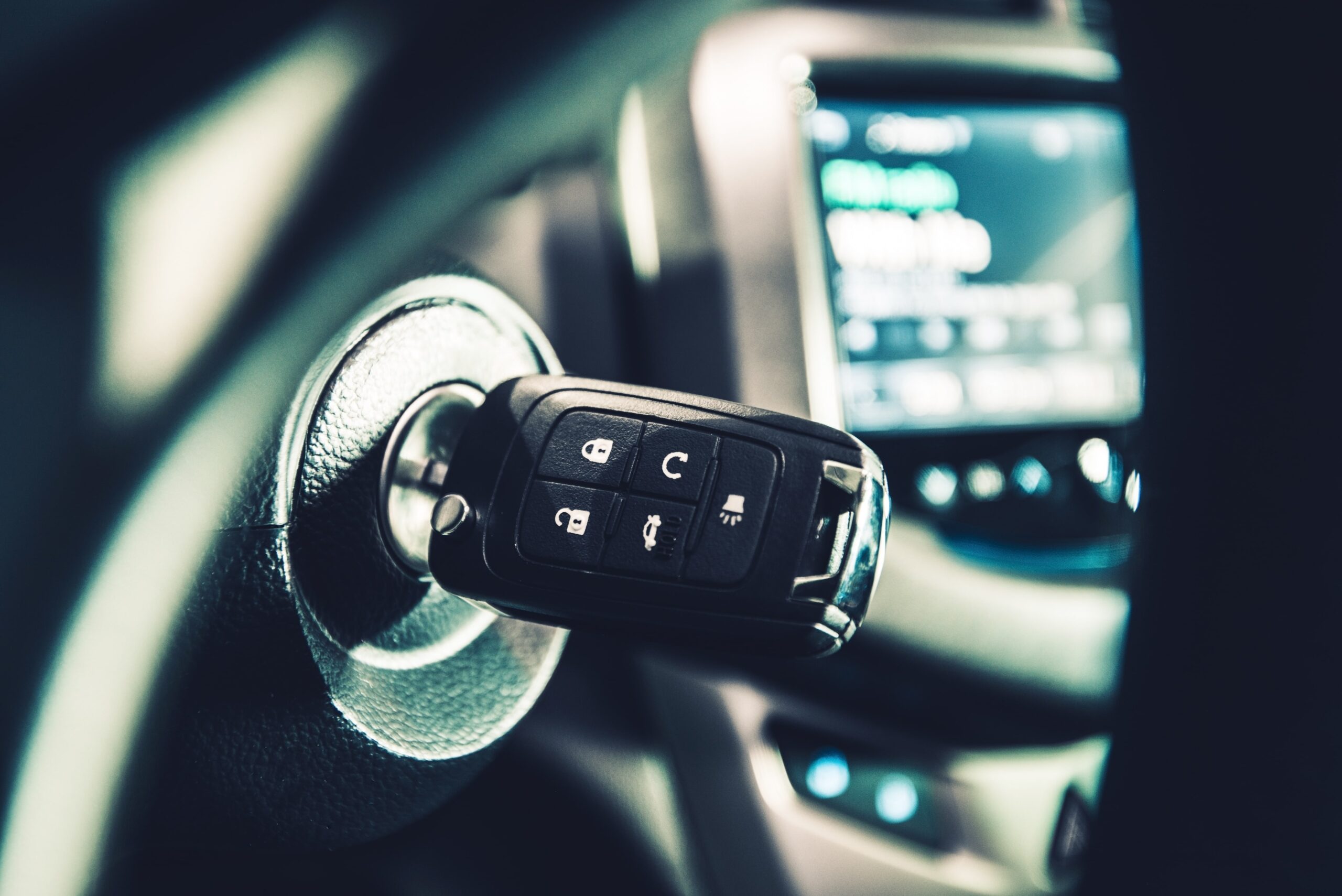 You can remove the trim on your steering column using specially designed tools to access your ignition cylinder module. Consult your repair manual for guidance on how to do this in a safe manner.
1. Check the Switch
A defective switch is among the most frequent ignition problems. It regulates the moment relays are activated, and deactivated, acting as a bridge. Since it doesn't harness the full power of devices such as the starter, it's a lighter-duty component that's less likely fail. However, it's still possible for the switch to get damaged or corroded.
A malfunctioning switch is recognized by a slow time turning the key. This can be caused by many things such as improperly inserting the key, or deteriorating the mechanism over time. It's not uncommon to see people mix keys with someone else's. This can cause mechanical damage.
If the switch isn't functioning there are a few things you can try before calling a locksmith. First, you'll need to make sure that the battery is charged and that there aren't any other electrical issues that could be affecting the system. You should also check the voltage of every component to make sure they're supplying enough power. Once you've done these steps, you're ready to start troubleshooting.
The ignition switch is simple to replace. It's connected to the ignition cylinder, a round module that connects everything. To replace it, you'll require a flathead screwdriver, and something that is long enough to push the pin inside. It could be anything from paintbrush handles to Kabob skewer. However, it is best to avoid anything that is brittle and break within the hole.
Remove any trim pieces that are covering the area around the switch when you are ready to get started. After that take off and loosen any screws that are holding the switch in place, and then gently pull it out. Depending on the model, you might also have to unplug any wires connected to it. If you have a manual for the vehicle you own, this will tell you exactly how to do this.
It is recommended to have the ignition switch replaced by a professional in the event that it isn't working. It can be difficult to replace the lost ignition key switch, without disabling your steering column. This could result in an unintentional airbag being deployed in the event that you don't do it correctly. This is why it is recommended to let your locksmith take care of this for you.
2. Verify the Wire
If you are unable to turn the key in the ignition or your car won't start, your issue could be due to any number of components of your vehicle's ignition system. It is important to know how the ignition system functions to identify issues and make the appropriate repairs.
The ignition switch is a low-voltage multi-pole electrical switch that is operated by a key. It has four positions, including "off", "accessory", "run" and the "lock". When the switch is in the lock position (which typically has an indicator in red), the ignition circuit is in operation and it's not possible to start the engine.
You can use a voltmeter quickly test the ignition switch and ignition and key replacement coil. The voltmeter should read around 12.6 volts when the ignition switch is in the run position. If the voltage is lower than that, there is an open circuit somewhere within the system. It could be the solenoid, battery or the ignition coil.
Connect the electrical connector to ensure that it doesn't interfere with the test. Then, set the voltmeter to the continuity or resistance mode and place one lead on one of the ignition switch's terminals. The other lead should be connected to the positive terminal of the battery. If the voltmeter reads "open" or does not show any voltage, it is recommended to replace the switch.
Use a brand new ignition key and a high-quality ignition cylinder when you replace the switch to ensure your vehicle is running and starts correctly. Also, when you replace the ignition switch, you must be careful not to strike the cylinder's pins on the ignition with your tools or they'll get stuck and the engine won't start. In certain vehicles, you'll need to remove the steering column and the gear selector to get access to the ignition cylinder. This isn't easy and is not recommended unless you have an owner's guideline that says that it is safe to do so. If you do not, it is possible to cause serious damage to your steering column and shift mechanism.
3. Check the Cylinder
If you have tried the battery, the wiring and the ignition switch, but you are still unable to get your car to start, it may be time to examine the cylinder. It's the part that holds your key, and is mechanically connected to the lock on the steering wheel so that a potential thief cannot steer the car ignition barrel replacement without the key.
If your cylinder is beginning to wear out, you might be noticing that your key isn't able to turn. Sometimes, the pins in the cylinder get stuck when they adjust to the shape of the key, which can cause your car to not start. Or, the cylinder might be loose and a tap using a small tack hammer can aid in releasing it. Just be careful not to disturb the springs within and make sure that your key is properly installed prior to tapping.
Another indication that your cylinder is failing is when you have to turn the key and try multiple positions before it gets started. This is a sign of trouble and must be fixed immediately, since it will only get worse with time.
To test the cylinder, you must remove the cover on the steering wheel and disconnect the battery. You'll then be able to pull out the old ignition switch as well as the cylinder for ignition made of metal. If you don't have a spare ignition switch lying around, it's likely that you could take your original ignition switch and the cylinder to a locksmith and reuse them as long as they are in good condition. After replacing the ignition switch and cylinder, ensure that you connect the wiring, secure it and reattach the covers and panels you took off.
4. Make sure you check the Spark Plugs
The spark plug is the ignition system's last link. The engine cannot start in the event that the spark plug fails. It can be that your car key ignition replacement near me won't start at all or will run badly. In either case, it is likely that one or more factors are hindering or blocking electrical current from crossing spark plug gaps, which in turn ignites the air and fuel mixture in your engine.
Make sure you wear gloves and protective tools before working with your spark plugs. Spark plugs are hot and could cause serious injuries if you touch them with your naked skin.
You might notice a light gray or brown fleck on the edge of the electrode when the spark plug is damaged. It could also have a black coating on the side of the electrode. These deposits, or fouling, may prevent high-voltage electricity from crossing the spark plug gap and sparking your engine.
If you suspect your spark plugs may be the cause, you can test them by having them remove them from the tube that is inside the ignition coil. You can do this by disconnecting the coil from the plug wire and following the appropriate procedure for your car to remove components that cover the spark plugs. After removing the plugs place them on a metal surface that is grounded, and begin the engine. If they're working you will see a bright blue spark on the tip of central electrode.
If you aren't seeing a spark, you've found the issue. The next step is to go through the ignition chain, testing each element until you discover what's stopping the spark plugs from doing their job. It's important to remember that all systems wear down and break down over time and this is particularly true of ignition systems. Regular maintenance can slow down the process and avoid major problems at the worst time.
The car won't start until the ignition switch transmits an electrical signal to the starter motor. Over time, normal wear and tear could cause the switch to fail.
You can remove the trim on your steering column using specially designed tools to access your ignition cylinder module. Consult your repair manual for guidance on how to do this in a safe manner.1. Check the Switch
A defective switch is among the most frequent ignition problems. It regulates the moment relays are activated, and deactivated, acting as a bridge. Since it doesn't harness the full power of devices such as the starter, it's a lighter-duty component that's less likely fail. However, it's still possible for the switch to get damaged or corroded.
A malfunctioning switch is recognized by a slow time turning the key. This can be caused by many things such as improperly inserting the key, or deteriorating the mechanism over time. It's not uncommon to see people mix keys with someone else's. This can cause mechanical damage.
If the switch isn't functioning there are a few things you can try before calling a locksmith. First, you'll need to make sure that the battery is charged and that there aren't any other electrical issues that could be affecting the system. You should also check the voltage of every component to make sure they're supplying enough power. Once you've done these steps, you're ready to start troubleshooting.
The ignition switch is simple to replace. It's connected to the ignition cylinder, a round module that connects everything. To replace it, you'll require a flathead screwdriver, and something that is long enough to push the pin inside. It could be anything from paintbrush handles to Kabob skewer. However, it is best to avoid anything that is brittle and break within the hole.
Remove any trim pieces that are covering the area around the switch when you are ready to get started. After that take off and loosen any screws that are holding the switch in place, and then gently pull it out. Depending on the model, you might also have to unplug any wires connected to it. If you have a manual for the vehicle you own, this will tell you exactly how to do this.
It is recommended to have the ignition switch replaced by a professional in the event that it isn't working. It can be difficult to replace the lost ignition key switch, without disabling your steering column. This could result in an unintentional airbag being deployed in the event that you don't do it correctly. This is why it is recommended to let your locksmith take care of this for you.
2. Verify the Wire
If you are unable to turn the key in the ignition or your car won't start, your issue could be due to any number of components of your vehicle's ignition system. It is important to know how the ignition system functions to identify issues and make the appropriate repairs.
The ignition switch is a low-voltage multi-pole electrical switch that is operated by a key. It has four positions, including "off", "accessory", "run" and the "lock". When the switch is in the lock position (which typically has an indicator in red), the ignition circuit is in operation and it's not possible to start the engine.
You can use a voltmeter quickly test the ignition switch and ignition and key replacement coil. The voltmeter should read around 12.6 volts when the ignition switch is in the run position. If the voltage is lower than that, there is an open circuit somewhere within the system. It could be the solenoid, battery or the ignition coil.
Connect the electrical connector to ensure that it doesn't interfere with the test. Then, set the voltmeter to the continuity or resistance mode and place one lead on one of the ignition switch's terminals. The other lead should be connected to the positive terminal of the battery. If the voltmeter reads "open" or does not show any voltage, it is recommended to replace the switch.
Use a brand new ignition key and a high-quality ignition cylinder when you replace the switch to ensure your vehicle is running and starts correctly. Also, when you replace the ignition switch, you must be careful not to strike the cylinder's pins on the ignition with your tools or they'll get stuck and the engine won't start. In certain vehicles, you'll need to remove the steering column and the gear selector to get access to the ignition cylinder. This isn't easy and is not recommended unless you have an owner's guideline that says that it is safe to do so. If you do not, it is possible to cause serious damage to your steering column and shift mechanism.
3. Check the Cylinder
If you have tried the battery, the wiring and the ignition switch, but you are still unable to get your car to start, it may be time to examine the cylinder. It's the part that holds your key, and is mechanically connected to the lock on the steering wheel so that a potential thief cannot steer the car ignition barrel replacement without the key.
If your cylinder is beginning to wear out, you might be noticing that your key isn't able to turn. Sometimes, the pins in the cylinder get stuck when they adjust to the shape of the key, which can cause your car to not start. Or, the cylinder might be loose and a tap using a small tack hammer can aid in releasing it. Just be careful not to disturb the springs within and make sure that your key is properly installed prior to tapping.
Another indication that your cylinder is failing is when you have to turn the key and try multiple positions before it gets started. This is a sign of trouble and must be fixed immediately, since it will only get worse with time.
To test the cylinder, you must remove the cover on the steering wheel and disconnect the battery. You'll then be able to pull out the old ignition switch as well as the cylinder for ignition made of metal. If you don't have a spare ignition switch lying around, it's likely that you could take your original ignition switch and the cylinder to a locksmith and reuse them as long as they are in good condition. After replacing the ignition switch and cylinder, ensure that you connect the wiring, secure it and reattach the covers and panels you took off.
4. Make sure you check the Spark Plugs
The spark plug is the ignition system's last link. The engine cannot start in the event that the spark plug fails. It can be that your car key ignition replacement near me won't start at all or will run badly. In either case, it is likely that one or more factors are hindering or blocking electrical current from crossing spark plug gaps, which in turn ignites the air and fuel mixture in your engine.
Make sure you wear gloves and protective tools before working with your spark plugs. Spark plugs are hot and could cause serious injuries if you touch them with your naked skin.
You might notice a light gray or brown fleck on the edge of the electrode when the spark plug is damaged. It could also have a black coating on the side of the electrode. These deposits, or fouling, may prevent high-voltage electricity from crossing the spark plug gap and sparking your engine.
If you suspect your spark plugs may be the cause, you can test them by having them remove them from the tube that is inside the ignition coil. You can do this by disconnecting the coil from the plug wire and following the appropriate procedure for your car to remove components that cover the spark plugs. After removing the plugs place them on a metal surface that is grounded, and begin the engine. If they're working you will see a bright blue spark on the tip of central electrode.
If you aren't seeing a spark, you've found the issue. The next step is to go through the ignition chain, testing each element until you discover what's stopping the spark plugs from doing their job. It's important to remember that all systems wear down and break down over time and this is particularly true of ignition systems. Regular maintenance can slow down the process and avoid major problems at the worst time.
- 이전글7 Small Changes You Can Make That'll Make A Huge Difference In Your Program Car Keys 24.09.23
- 다음글9 . What Your Parents Taught You About Ignition Barrel Replacement Near Me 24.09.23
댓글목록
등록된 댓글이 없습니다.


