
Guide To Best Cot For Newborn: The Intermediate Guide In Best Cot For …
페이지 정보

본문
Choosing the Perfect Nest: A Guide to Finding the Best Cot for Your Newborn
Inviting a newborn into the world is a memorable occasion, filled with delight, anticipation, and a considerable quantity of preparation. Among the myriad choices new parents face, choosing the Best cot for newborn cot for their baby is vital. The cot will be your youngster's primary sleep area for the first few months, and possibly years, of their life. It's more than just a piece of furnishings; it's a sanctuary of security, convenience, and relaxing sleep, crucial for healthy development. With a vast range of cots readily available on the market, navigating the options can feel overwhelming. This article aims to assist you through the vital factors to consider, assisting you pick the best cot for your precious newborn and ensuring tranquil nights for the whole family.
Why a Cot is an Essential Investment for Your Newborn
While newborns sleep a lot, their sleep patterns are fragmented, and their security throughout these vulnerable hours is of utmost value. A devoted cot offers a safe and secure and contained environment particularly designed for infant sleep. Unlike adult beds or couches, cots are built with high sides to avoid falls once your baby becomes mobile. This enclosed area likewise offers a complacency and comfort, assisting newborns adapt to their brand-new environment outside the womb.
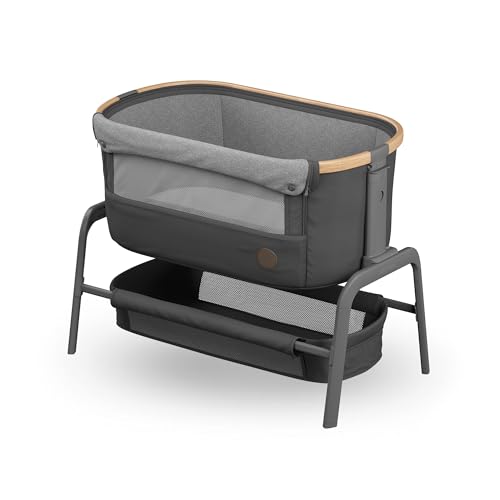
Picking a cot over alternative sleeping plans like bassinets or co-sleepers often shows to be a more practical and long-lasting investment. While bassinets are smaller sized and portable, they are generally outgrown within a couple of months. Co-sleepers, developed to connect to the parent's bed, deal proximity but may not be ideal for all parenting designs or room configurations. A cot sale, on the other hand, is created to last a lot longer, typically convertible into toddler beds, extending its lifespan and value. Buying a quality cot from the start indicates you are providing a safe and familiar sleep area for your child as they grow through their early years.
Browsing the Different Types of Cots
The world of cots is diverse, providing a range of styles and performances to fit various needs and preferences. Comprehending the different types readily available is the primary step in making a notified choice. Here are a few of the most common types you'll encounter:
Standard Cots: These are the most conventional and commonly available type. They are usually rectangular, strong, and developed for long-lasting use. Standard cots usually have actually repaired sides and adjustable bed mattress heights, permitting you to decrease the bed mattress as your baby grows and ends up being more mobile.
Convertible Cots (2-in-1, 3-in-1, 4-in-1): These cots are created to grow with your child. A 2-in-1 cot often converts into a young child bed, while 3-in-1 designs may transform into a young child bed and a daybed. 4-in-1 or even higher convertible cots can in some cases become full-size beds as well. Buying a convertible cot can be an affordable and space-saving service for long-term usage.
Drop-Side Cots (Historically Common today Less Recommended): Drop-side cots, featuring a side that could be decreased for simpler access to the baby, were when popular. However, due to safety concerns related to mechanism malfunctions and prospective entrapment threats, they are now less typical and often dissuaded. In lots of areas, strict safety standards and guidelines may even forbid the sale of brand-new drop-side cots. It is normally suggested to avoid drop-side cots and decide for fixed-side models for improved safety.
Travel Cots (Portable Cots): Designed for mobility, travel cots are light-weight, foldable, and come with bring bags. They are ideal for travel or for periodic use at grandparents' houses. While practical for momentary sleep arrangements, they are typically not planned for everyday, long-lasting use as main cots.
Mini Cots/Compact Cots: These cots are smaller than standard cots, developed to fit into smaller sized nurseries or rooms. They are a good option when space is at a premium. However, babies might grow out of mini cots faster than standard-sized cots, so think about the desired life expectancy and your Baby beds's growth rate.
Sleigh Cots: Characterized by their curved headboards and footboards, sleigh cots provide a more standard and aesthetically pleasing appearance. They come in various styles and sizes, typically with convertible alternatives. The sleigh style is primarily a visual option and does not significantly impact performance or security compared to basic cots, offered they meet all safety policies.
Key Factors to Consider When Choosing a Cot: A Detailed Guide
Picking the best cot involves carefully thinking about numerous aspects to guarantee you are making a safe, practical, and comfy option for your newborn. Here's a breakdown of the most essential elements to assess:
Safety First and Foremost: Safety is the non-negotiable top priority when picking a cot. Search for cots that fulfill or surpass acknowledged security standards, such as BS EN 716 in Europe or ASTM F1169 in the United States. These standards guarantee cots are tested for stability, slat spacing, bed mattress assistance strength, and the lack of hazardous materials.
- Slat Spacing: The spaces between the cot slats should be narrow enough (typically between 45mm and 65mm) to prevent a baby's head, limbs, or body from getting trapped.
- Mattress Firmness: The bed mattress should be firm and flat to reduce the risk of Sudden Infant Death Syndrome (SIDS). A company bed mattress provides correct support and avoids the Baby Crib from sinking into it, which could obstruct breathing.
- Cot Height Adjustability: Choose a cot with adjustable mattress heights. In the newborn phase, the greatest setting enables easy gain access to. As your baby grows and begins to sit up and pull to stand, lower the bed mattress to the lowest setting to avoid them from climbing out and falling.
- Avoid Drop-Side Cots (if offered): As pointed out previously, fixed-side cots are usually considered much safer than drop-side models.
- Materials and Finishes: Ensure the cot is made from durable, non-toxic products. Search for solid wood or top quality engineered wood. Paints and surfaces need to be non-toxic and lead-free, typically suggested by certifications or labeling.
Size and Space Considerations: Measure your nursery area to make sure the cot will fit easily, leaving adequate room for motion and other furnishings. Think about the dimensions of the cot, both external and internal mattress size. Basic cot bed mattress sizes are typically around 120cm x 60cm or 140cm x 70cm. If area is restricted, a mini cot may be an alternative, however be mindful of its much shorter life-span.
Material and Durability: The cot ought to be robust and durable to withstand years of use, particularly if you prepare to utilize it for subsequent kids or convert it into a toddler bed. Strong wood cots (like beech, pine, or oak) are understood for their durability. Engineered woods, when reliable, can likewise offer good sturdiness. Examine the construction of the cot, ensuring joints are solid and there are no loose or weak parts.
Mattress Quality and Fit: The mattress is as crucial as the cot itself. Guarantee you choose a bed mattress particularly designed for cots and that it fits snugly inside the cot frame with no gaps larger than 2cm (approximately one finger width) between the bed mattress edge and the cot sides. A poorly fitting mattress presents a considerable entrapment danger. Think about the mattress material:
- Foam Mattresses: Lightweight and frequently more affordable, but ensure they are firm and meet safety standards.
- Sprung Mattresses: Offer good assistance and ventilation, frequently more durable and potentially more comfortable in the long run.
- Natural Fiber Mattresses (e.g., Coconut Coir, Latex): Increasingly popular for their breathability and eco-friendly nature.
Convertibility and Longevity (If Desired): If you are trying to find long-term value, a convertible cot can be an outstanding choice. Think about the conversion phases and how easily the cot shifts into a young child bed or other furniture pieces. Examine if the conversion package is consisted of or requires to be acquired individually.
Functions and Functionality: Some cots include extra functions that can boost benefit:
- Adjustable Mattress Heights: Essential for safety and availability.
- Teething Rails: Plastic or silicone rails along the top edges of the cot sides can secure both the cot and your baby's gums when they begin teething and gnawing on the cot.
- Under-Cot Drawers: Some cots have built-in drawers for extra storage, which can be useful for nursery fundamentals, particularly in smaller sized rooms.
Budget: Cot costs vary commonly, from affordable alternatives to high-end designer models. Establish a budget plan before you begin going shopping. Remember to stabilize expense with security, quality, and longevity. A a little more pricey, well-made cot could prove to be a much better long-term financial investment than a more affordable choice that may compromise on security or toughness.
Style and Aesthetics: While security and performance should be the main issues, you might likewise want to consider the style of the cot and how it harmonizes your nursery decor. Cots are available in numerous styles, from modern-day and minimalist to timeless and elaborate. Choose a design that you like which matches your general nursery style.
Establishing and Using Your Cot Safely: Essential Tips
When you've picked the ideal cot, correct setup and use are essential to guarantee your baby's safety and comfort. Follow these important ideas:
- Carefully Assemble the Cot: Follow the manufacturer's instructions meticulously when assembling the cot. Ensure all screws and bolts are tightened up properly and that all parts are safely in place.
- Guarantee a Snug Mattress Fit: As discussed previously, the bed mattress must fit the cot frame comfortably without any spaces going beyond 2cm.
- Keep the Cot Environment Safe and Bare: To reduce the risk of SIDS and suffocation, keep the cot environment bare. Avoid utilizing:
- Loose blankets, quilts, duvets, and pillows. Use a light-weight baby sleeping bag or cots offers swaddle instead.
- Cot bumpers. While they might seem decorative, they position a suffocation and entrapment risk.
- Soft toys and other products in the cot while your Baby Cot Bed is sleeping.
- Position the Cot Safely:
- Place the cot away from windows, drapes, blind cables, and heaters.
- Guarantee the cot is not placed near anything your baby could use to climb out of the cot once they are mobile.
- Regularly Check the Cot: Periodically inspect the cot for any loose parts, damage, or use and tear. Tighten up screws as needed.
- Lower the Mattress Height as Your Baby Grows: As your baby grows and ends up being more active, lower the bed mattress height gradually to prevent them from climbing up out of the cot. Typically, the bed mattress must be decreased to the most affordable setting when your baby can stay up unaided.
Regularly Asked Questions (FAQs) About Newborn Cots
Q: What size cot is best for a newborn?
- A: Standard-sized cots are generally suggested as they offer more area and longevity compared to mini cots. While mini cots can be appropriate for newborns in really small areas, babies tend to outgrow them faster. Standard cots provide ample space for your newborn and can last well into toddlerhood.
Q: How long will my newborn use a cot?
- A: Most babies will utilize a cot from birth up until around 2-3 years of ages, or in some cases even longer, particularly if you have a convertible cot that transitions into a toddler bed. The transition to a toddler bed usually occurs when your kid begins trying to climb out of the cot or reaches the maximum weight or height limit suggested by the cot maker.
Q: What is a safe cot bed mattress?
- A: A safe cot bed mattress is firm, flat, and fits comfortably inside the cot frame. It must abide by safety standards and be made from non-toxic products. Prevent soft bed mattress or bed mattress with gaps in between the edge and the cot sides.
Q: Are drop-side cots safe for newborns?
- A: Drop-side cots are generally not recommended due to possible security hazards. Fixed-side cots are thought about safer as they remove the risks related to drop-side mechanisms malfunctioning or creating entrapment hazards. It is best to choose a cot with fixed sides.
Q: When should I reduce the cot bed mattress?
- A: You ought to reduce the cot mattress as your baby develops and ends up being more mobile. Lower the mattress to the middle setting when your baby can sit up unaided, and to the least expensive setting when they can pull themselves approximately stand. This prevents them from climbing out and potentially falling.
Selecting the very best cot for your newborn is an essential action in producing a safe, comfy, and supporting environment for their sleep. By carefully thinking about the various kinds of cots readily available, prioritizing safety features, examining products and resilience, and considering your space and spending plan, you can confidently select a cot that satisfies your needs and provides your baby with the perfect nest to rest and grow. Buying a quality cot is a financial investment in your child's well-being and your comfort, ensuring many nights of restful and safe sleep for your precious newborn.
- 이전글9 Things Your Parents Taught You About Foldable Cheap Treadmill 25.03.30
- 다음글Buy Original IELTS Certificate Online Tools To Ease Your Daily Life Buy Original IELTS Certificate Online Trick That Every Person Must Be Able To 25.03.30
댓글목록
등록된 댓글이 없습니다.


