
10 Tell-Tale Signals You Should Know To Get A New Bagless Robot Sweepe…
페이지 정보

본문
Bagless Robot Sweeper
A bagless robot sweeper can clean and vacuum in one go, without soaking your rugs. Select a model with self-emptying dustbins via a second vacuum at the base and a filter which washes and dry itself between cleaning sessions.
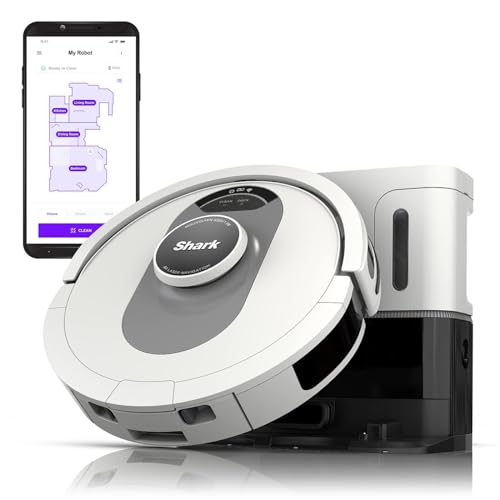 The Eureka E10S Hybrid Vacuum + Mop features an large dust bin that is easy to empty. It also makes use of floor type detection and obstacle avoidance to give an efficient cleaning throughout the home. It recharges and resumes cleaning exactly where it left at.
Here are a few examples of
The most effective Best bagless self emptying robot vacuum robot sweepers can be used on a wide variety of floor surfaces, including hard floors, tile and carpet. The most important feature that distinguishes these robots from robotic vacuum cleaners is the fact that they can also mop for a deeper clean. This is done by permitting you to manually attach a wet mop pad or even spray the floor with water before starting the cleaning cycle. This allows you to clean multiple surfaces with less effort.
Certain models come with clever features, such as the ability to schedule and personalize cleaning times, or use your voice commands to instruct it to start cleaning or change direction. They can also be programmed to return to their base and recharge after each cleaning session, meaning they'll be ready to continue where they started. This is great for homes with big floor plans because you won't have to move them each time.
The majority of robotic sweepers have some kind of object detection, which can pick up pets' hair, toys and other items that would otherwise be missed by their main brush. Certain models come with what's called Dirt Detect which makes use of sensors to identify areas that are more dirty and concentrate cleaning efforts on those areas.
Other features include smart mapping and obstacle avoidance. Certain models can create a map of your home and can be used to set up no-go zones that the robot won't enter or label separate rooms for more customized cleaning. Certain models let you program the robot to only vacuum specific areas within the room. This is especially useful for rooms with large spaces.
Other features that can be found in the more sophisticated robotic sweepers include auto-cleaning modes, which allow you to set up a specific time for your robot to begin cleaning. This is especially useful if you have a busy schedule or just need to get away from the house for a short period of time while the machine does its work. Some models have a self-emptying, bagless dust bin which removes the need to dispose of bags.
Design
Contrary to earlier robovacs which relied on random navigation, the majority of today's robot sweepers employ advanced mapping capabilities. By using gyro- or camera-, radar-, or laser (laser distance sensor or LDS) guided systems, these units are able to create and store a floor plan in order that it can determine which areas to clean. This increases cleaning efficiency and reduces the amount of times the same area is cleaned. Some models even contain multiple floor plans to give you greater flexibility.
They are armed with anti-drop and anti-bump IR sensors to prevent the unit from hitting furniture or objects which could cause damage. They usually come with a dual-brush system that can assist in removing dust, dirt and large particles from carpets and floors. The first brush pulls and loosens the debris while the second moves the debris into suction channels for an effective clean. Some models come with a built-in HEPA filter, which eliminates pollutants and allergens from the air.
Other features that can be found on robotic vacuums and mops are a bagless wifi-connected robot self-emptying base and a quiet operation that comes with 1800Pa of powerful suction and smart object recognition, which can recognize and avoid items like furniture, stairs, and pet toys. They might also be capable of docking independently, meaning that they don't require manually returned to the charging station following each use.
Certain robots are programmed to clean your home when you're away. They are also equipped with virtual boundary lines to stop the unit from entering certain areas or rooms. Some units can be controlled remotely via an app. Others come with an inbuilt remote.
Some of the most effective models can mop and vacuum simultaneously and save you time. They can also be programmed to automatically empty their dustbins into the clean water tank, or to wash their own mops when they're dirty. They also can detect battery power being low and then return to their docks to recharge.
Controls
Most robot vacuums have a built-in remote control which allows you to create and manage schedules. Some models also come with an app for mobile devices which lets you create in-app cleaning settings areas, no-go zones, and other settings. The more advanced models are equipped with mapping capabilities. These camera-, gyroor radar-based systems create a map of your home and store it to be used later. This increases efficiency and reduces cleaning times by reducing repetition.
Some models also come with a mopping mode that autonomously vacuums and wet mops your floor in one move. These models have an water tank that can be filled and empty by the machine itself, or you can fill it with water prior to attaching. These machines are more flexible however maintenance is more costly.
It is crucial to clean your robot vacuum brushes on a regular basis. The majority of manufacturers suggest that you wipe them down with a damp sponge to remove the dirt and dust that accumulates on the bristles. Additionally, you should clean or replace the filter every couple of months. Check your unit's user manual or the website of the manufacturer for more details.
There are other features that make bagless programmed cleaners robotic sweepers (More Material) more efficient. For instance, certain models come with a quiet mode that helps to lower the noise levels when the unit is operating which is a great feature in certain homes. Some models have self-cleaning brushrolls that digs into carpets and rugs in order to pick up pet hairs and other debris without damaging them.
Other features that are beneficial include navigation settings as well as a recharge-and-resume function. This allows the unit to return to its dock and recharge, then return to the point it left off so it can finish the cleaning job that was interrupted. This is particularly helpful for pets who tend to flee when the unit is moving.
Precious time is often wasted when a robo-vac crashes into objects or loses its way. Some robo-vacs come with the "find me mode" that makes use of an infrared sensor to guide the unit back to its original starting point. This can be particularly helpful in a home with lots of walls and furniture.
Cleaning
A bagless robot sweeper is also capable of handling spills from liquids. Most models feature a dock to store mopping pads that are wet, which the robot can clean and dry to keep them clean to use. This functionality will increase the cost, but it could be beneficial for those who do not wish to empty their dust bin each day.
Unlike traditional vacuum cleaners that require a bag to store dust, the majority of robots contain dirt inside a plastic bin or tub that is easily accessible and empty. The container is typically located under or behind the robot. Some robots even come with a self-emptying feature that will automatically empty the contents when it's full.
To ensure that the suction levels remain high, many models have a pre-installed filter that needs to be maintained or cleaned frequently according to the manufacturer's instructions. Some models also come with HEPA filters, which are able to catch smaller particles and allergens that a standard filter could miss.
While robotic vacuum cleaners have a solid grasp of floor cleaning, they aren't as proficient in dealing with the mess that can be created on other surfaces. Through the years there have been some improvements. For example the top-rated robot vacuum cleaners of today are more effective in locating obstacles and avoiding them which makes it easier to get into tight spots such as the space between your toilet and bathtub or under your sofa.
More advanced robotic vacuums and mops utilize gyro sensors, camera- radar, laser-based or laser-based systems to map your home. This allows the robots to determine the most efficient cleaning strategy and avoid repeating the same task by returning to areas that have been cleaned. They also have the ability to store multiple floor plans, which increases efficiency and lets users customize cleaning preferences.
The iRobot j7+ robotic is among the most advanced examples of obstacle detection and mapping. It employs a system referred to as Dirt Detect which detects the presence of dirt in a certain area. It then returns to the same location and pays more attention. It also differentiates between different flooring types and adjust the pressure to be applied based on what it discovers.
A bagless robot sweeper can clean and vacuum in one go, without soaking your rugs. Select a model with self-emptying dustbins via a second vacuum at the base and a filter which washes and dry itself between cleaning sessions.
The Eureka E10S Hybrid Vacuum + Mop features an large dust bin that is easy to empty. It also makes use of floor type detection and obstacle avoidance to give an efficient cleaning throughout the home. It recharges and resumes cleaning exactly where it left at.Here are a few examples of
The most effective Best bagless self emptying robot vacuum robot sweepers can be used on a wide variety of floor surfaces, including hard floors, tile and carpet. The most important feature that distinguishes these robots from robotic vacuum cleaners is the fact that they can also mop for a deeper clean. This is done by permitting you to manually attach a wet mop pad or even spray the floor with water before starting the cleaning cycle. This allows you to clean multiple surfaces with less effort.
Certain models come with clever features, such as the ability to schedule and personalize cleaning times, or use your voice commands to instruct it to start cleaning or change direction. They can also be programmed to return to their base and recharge after each cleaning session, meaning they'll be ready to continue where they started. This is great for homes with big floor plans because you won't have to move them each time.
The majority of robotic sweepers have some kind of object detection, which can pick up pets' hair, toys and other items that would otherwise be missed by their main brush. Certain models come with what's called Dirt Detect which makes use of sensors to identify areas that are more dirty and concentrate cleaning efforts on those areas.
Other features include smart mapping and obstacle avoidance. Certain models can create a map of your home and can be used to set up no-go zones that the robot won't enter or label separate rooms for more customized cleaning. Certain models let you program the robot to only vacuum specific areas within the room. This is especially useful for rooms with large spaces.
Other features that can be found in the more sophisticated robotic sweepers include auto-cleaning modes, which allow you to set up a specific time for your robot to begin cleaning. This is especially useful if you have a busy schedule or just need to get away from the house for a short period of time while the machine does its work. Some models have a self-emptying, bagless dust bin which removes the need to dispose of bags.
Design
Contrary to earlier robovacs which relied on random navigation, the majority of today's robot sweepers employ advanced mapping capabilities. By using gyro- or camera-, radar-, or laser (laser distance sensor or LDS) guided systems, these units are able to create and store a floor plan in order that it can determine which areas to clean. This increases cleaning efficiency and reduces the amount of times the same area is cleaned. Some models even contain multiple floor plans to give you greater flexibility.
They are armed with anti-drop and anti-bump IR sensors to prevent the unit from hitting furniture or objects which could cause damage. They usually come with a dual-brush system that can assist in removing dust, dirt and large particles from carpets and floors. The first brush pulls and loosens the debris while the second moves the debris into suction channels for an effective clean. Some models come with a built-in HEPA filter, which eliminates pollutants and allergens from the air.
Other features that can be found on robotic vacuums and mops are a bagless wifi-connected robot self-emptying base and a quiet operation that comes with 1800Pa of powerful suction and smart object recognition, which can recognize and avoid items like furniture, stairs, and pet toys. They might also be capable of docking independently, meaning that they don't require manually returned to the charging station following each use.
Certain robots are programmed to clean your home when you're away. They are also equipped with virtual boundary lines to stop the unit from entering certain areas or rooms. Some units can be controlled remotely via an app. Others come with an inbuilt remote.
Some of the most effective models can mop and vacuum simultaneously and save you time. They can also be programmed to automatically empty their dustbins into the clean water tank, or to wash their own mops when they're dirty. They also can detect battery power being low and then return to their docks to recharge.
Controls
Most robot vacuums have a built-in remote control which allows you to create and manage schedules. Some models also come with an app for mobile devices which lets you create in-app cleaning settings areas, no-go zones, and other settings. The more advanced models are equipped with mapping capabilities. These camera-, gyroor radar-based systems create a map of your home and store it to be used later. This increases efficiency and reduces cleaning times by reducing repetition.
Some models also come with a mopping mode that autonomously vacuums and wet mops your floor in one move. These models have an water tank that can be filled and empty by the machine itself, or you can fill it with water prior to attaching. These machines are more flexible however maintenance is more costly.
It is crucial to clean your robot vacuum brushes on a regular basis. The majority of manufacturers suggest that you wipe them down with a damp sponge to remove the dirt and dust that accumulates on the bristles. Additionally, you should clean or replace the filter every couple of months. Check your unit's user manual or the website of the manufacturer for more details.
There are other features that make bagless programmed cleaners robotic sweepers (More Material) more efficient. For instance, certain models come with a quiet mode that helps to lower the noise levels when the unit is operating which is a great feature in certain homes. Some models have self-cleaning brushrolls that digs into carpets and rugs in order to pick up pet hairs and other debris without damaging them.
Other features that are beneficial include navigation settings as well as a recharge-and-resume function. This allows the unit to return to its dock and recharge, then return to the point it left off so it can finish the cleaning job that was interrupted. This is particularly helpful for pets who tend to flee when the unit is moving.
Precious time is often wasted when a robo-vac crashes into objects or loses its way. Some robo-vacs come with the "find me mode" that makes use of an infrared sensor to guide the unit back to its original starting point. This can be particularly helpful in a home with lots of walls and furniture.
Cleaning
A bagless robot sweeper is also capable of handling spills from liquids. Most models feature a dock to store mopping pads that are wet, which the robot can clean and dry to keep them clean to use. This functionality will increase the cost, but it could be beneficial for those who do not wish to empty their dust bin each day.
Unlike traditional vacuum cleaners that require a bag to store dust, the majority of robots contain dirt inside a plastic bin or tub that is easily accessible and empty. The container is typically located under or behind the robot. Some robots even come with a self-emptying feature that will automatically empty the contents when it's full.
To ensure that the suction levels remain high, many models have a pre-installed filter that needs to be maintained or cleaned frequently according to the manufacturer's instructions. Some models also come with HEPA filters, which are able to catch smaller particles and allergens that a standard filter could miss.
While robotic vacuum cleaners have a solid grasp of floor cleaning, they aren't as proficient in dealing with the mess that can be created on other surfaces. Through the years there have been some improvements. For example the top-rated robot vacuum cleaners of today are more effective in locating obstacles and avoiding them which makes it easier to get into tight spots such as the space between your toilet and bathtub or under your sofa.
More advanced robotic vacuums and mops utilize gyro sensors, camera- radar, laser-based or laser-based systems to map your home. This allows the robots to determine the most efficient cleaning strategy and avoid repeating the same task by returning to areas that have been cleaned. They also have the ability to store multiple floor plans, which increases efficiency and lets users customize cleaning preferences.
The iRobot j7+ robotic is among the most advanced examples of obstacle detection and mapping. It employs a system referred to as Dirt Detect which detects the presence of dirt in a certain area. It then returns to the same location and pays more attention. It also differentiates between different flooring types and adjust the pressure to be applied based on what it discovers.
- 이전글Check Out: How Small Wood Burning Stoves Is Taking Over And What To Do About It 24.09.03
- 다음글Ten Treadmill Products That Can Make Your Life Better 24.09.03
댓글목록
등록된 댓글이 없습니다.


