
This History Behind Robot Vacuum With Lidar And Camera Can Haunt You F…
페이지 정보

본문
How a Robot vacuum robot with lidar With Lidar and Camera Navigates
Many robot vacuums aren't able to navigate around obstacles. This can be frustrating particularly in the event of a poopocalypse.
A robot vacuum equipped with LiDAR navigation and gyroscopes does a better job in creating a clear map and navigating around obstacles. However, they typically cost more than other models.
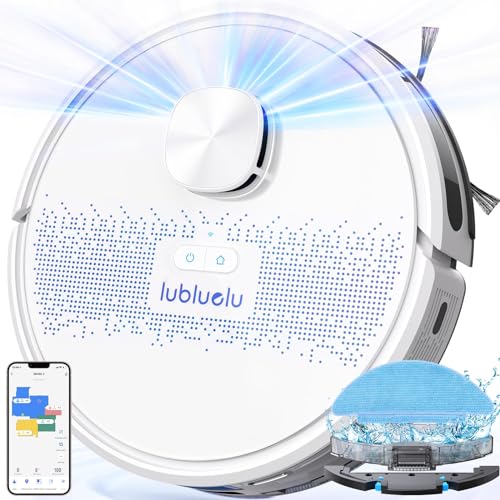 LiDAR
LiDAR
A robot vacuum that utilizes lidar technology can create detailed maps of your home. This lets it more effectively navigate around objects and furniture and avoid obstacles that are blocking its path. Lidar is an important feature of top robotic cleaners, which are usually more expensive than their budget-friendly counterparts.
A LiDAR sensor is basically an optical spinner. The sensor is able to measure the time taken for laser beams to reflect back on itself. It does this thousands of times per second. It then determines the exact distance of the robot from any object nearby to a centimeter.
The sensor works in conjunction with other sensors, such as cameras and gyroscopes to build an overall picture of the environment. Cameras provide information in the form of images while the laser scanner gathers information regarding the shape and position of objects. Gyroscopes are used to determine the direction and orientation of the robot vacuum cleaner with lidar.
Many robots also feature drop detectors. They are activated whenever the robot reaches a steep threshold or other obstruction that it isn't able to over without causing injury or becoming stuck. Some robots are equipped with wall sensors to stop them from crashing into furniture or walls, causing a lot noise or causing damage.
Another major advantage of a robot equipped with lidar is its ability to alter its navigation in response to changes in environment. This could be because of a new piece of furniture being moved into the room, or due to day-to-day changes like children rearranging their toys across different areas of the house. Premium models with lidar can monitor these changes in real-time, whereas budget robots that rely on bump sensors. They can then alter their speed and direction in line with the changes.
The best robots with lidar can even detect a change in the floor's surface, for instance, a transition from hard floors to carpet or the reverse. These are all characteristics that make robots with lidar more effective than their less expensive counterparts that make use of bump sensors to avoid obstacles.
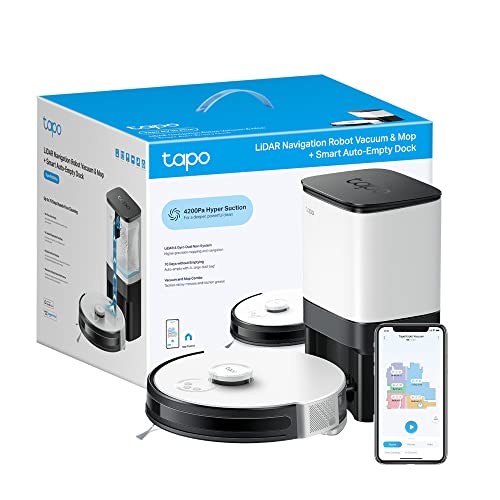
Many robot vacuums aren't able to navigate around obstacles. This can be frustrating particularly in the event of a poopocalypse.
A robot vacuum equipped with LiDAR navigation and gyroscopes does a better job in creating a clear map and navigating around obstacles. However, they typically cost more than other models.
LiDARA robot vacuum that utilizes lidar technology can create detailed maps of your home. This lets it more effectively navigate around objects and furniture and avoid obstacles that are blocking its path. Lidar is an important feature of top robotic cleaners, which are usually more expensive than their budget-friendly counterparts.
A LiDAR sensor is basically an optical spinner. The sensor is able to measure the time taken for laser beams to reflect back on itself. It does this thousands of times per second. It then determines the exact distance of the robot from any object nearby to a centimeter.
The sensor works in conjunction with other sensors, such as cameras and gyroscopes to build an overall picture of the environment. Cameras provide information in the form of images while the laser scanner gathers information regarding the shape and position of objects. Gyroscopes are used to determine the direction and orientation of the robot vacuum cleaner with lidar.
Many robots also feature drop detectors. They are activated whenever the robot reaches a steep threshold or other obstruction that it isn't able to over without causing injury or becoming stuck. Some robots are equipped with wall sensors to stop them from crashing into furniture or walls, causing a lot noise or causing damage.
Another major advantage of a robot equipped with lidar is its ability to alter its navigation in response to changes in environment. This could be because of a new piece of furniture being moved into the room, or due to day-to-day changes like children rearranging their toys across different areas of the house. Premium models with lidar can monitor these changes in real-time, whereas budget robots that rely on bump sensors. They can then alter their speed and direction in line with the changes.
The best robots with lidar can even detect a change in the floor's surface, for instance, a transition from hard floors to carpet or the reverse. These are all characteristics that make robots with lidar more effective than their less expensive counterparts that make use of bump sensors to avoid obstacles.
- 이전글Guide To Situs 4d: The Intermediate Guide For Situs 4d 24.09.02
- 다음글Programming Car Key It's Not As Hard As You Think 24.09.02
댓글목록
등록된 댓글이 없습니다.


