
What's The Reason? Single Estate Arabica Coffee Beans Is Everywhere Th…
페이지 정보

본문
Single Origin Arabica Coffee Beans
Arabica coffee beans flourish in tropical climates and countries that are part of the "Bean Belt". They have oval-shaped leaves and produce round "coffee cherries" fruit that are made up of two flat seeds. If only one seed grows, the growers call it"peaberry" "peaberry".
specialty arabica coffee beans Arabica Coffee is more than just a delicious tasting coffee. It promotes ethical sourcing, health benefits, and an enthusiastic community of coffee lovers. It is low in fat and sodium.
Origin
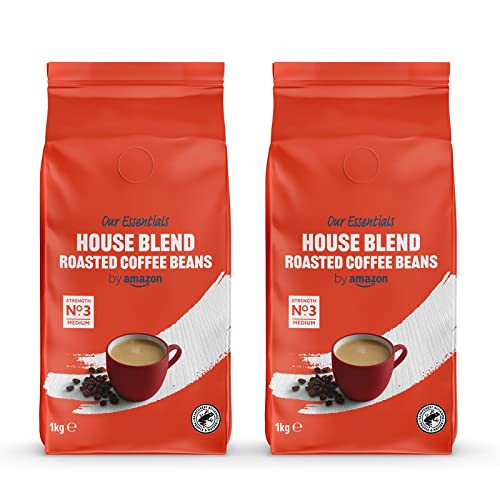 When you consume a single origin coffee you're tasting the distinct flavours of a particular district, country or even a small-scale family farmer and his family. The coffee's flavours are affected by factors like soil conditions, rainfall and temperature, humidity, as in addition to processing and harvesting after harvest. Blends of coffee beans are a combination of beans from different regions, resulting in a more harmonious and balanced taste.
Coffee lovers who appreciate the distinct flavors of single estate arabica coffee beans want to taste these distinctive characteristics. They also want to help the hardworking farmers who produce these premium coffee beans and are committed to fair-trade practices.
A single-origin coffee comes from one specific mill, farm or co-operative. The label on your coffee could tell you the farm's name paddock, the name of the farm or even the specific lot number if it's microlot. These are special lots that were harvested and processed separately from the rest of a farm. The microlot process increases the exclusivity of beans from a single origin and lets you see the care that has been taken in the production of each cup.
If you purchase a single origin coffee from Hawaii, for example, it may be grown on one of the island's nutrient rich volcanic soils, which results in a unique flavour profile that is a reflection of its terroir. The mountains and valleys of Hawaii have a wide variety of altitudes to cultivate coffee which contributes to the varied flavors of Hawaiian coffees.
Single-origin Java or Sumatra coffee can be grown in high grown arabica coffee beans mountain terraces, which produces a rich, full flavour. These higher altitudes can provide cooler temperatures which slow the growth of the coffee bean, which gives it a fresh acidity and more pronounced floral or fruity flavours.
Direct trade is often used to procure single-origin coffees which is beneficial to growers as well as their families. It also ensures fair prices are paid for the beans that are harvested. This allows them to keep their high-end farming practices and continue to produce their premium coffee. The purchase of single-origin coffees helps the local economy and is an excellent way to learn about the many cultural influences that compose the world's finest coffees.
Taste
Single-origin coffee is distinguished by its nuanced taste and distinct local character. This is the result of particular conditions of growing, referred to as terroir, that produce distinct flavors in Arabica beans. These can range from fruity, floral, to nutty and chocolaty. The altitude of the coffee and how it is roasted can also impact the flavor. Coffees grown higher up the mountains have a smoother taste than those grown lower down.
A single-origin cup of coffee can be traced back to one farm or estate, which could be just a few acres or be a massive plantation. Coffee farms are usually run by families who have an approach to cultivation that is hands-on. This ensures the highest quality of coffee.
These farms might specialize in a specific type of coffee, like organic or fair trade certified. These kinds of coffees can assist consumers to support sustainable farming practices. They can also lessen the negative environmental impact of long-distance transportation.
There are two major coffee varieties: Arabica and Robusta. exclusive arabica coffee beans has a more complex, richer flavor while Robusta is more affordable and has a high caffeine content. Single-origin coffees are typically made with Arabica beans.
The primary reason that single-origin coffee is better than blends is due to its terroir. This is due to the distinct taste of the soil and the climate in which the coffee was cultivated. This is especially important for coffees sourced from high altitude regions, such as Kenya's famed Yirgacheffe and Sidamo Ethiopia's Sherwood Forest and Shem-Gelba.
Acidity is another element that affects the taste of single-origin espresso. Acidity refers to the sharpness of the flavors. It can range from citrusy to smoky, or bitter. The roasting process can also influence the acidity of a single origin coffee.
Coffees with one origin can be classified based on their size. Small-lot coffees are sourced from individual plots or fields on the same farm, while microlot coffee is sourced from a single small-scale farmer in a specific area or country. This assures that the roaster will maintain consistency and quality from field to cup.
Health Benefits
A cup of premium single origin indigenous arabica coffee beans coffee can provide your body with numerous benefits. For instance, it gives a natural energy boost and can aid in preventing certain chronic illnesses. It also contains chlorogenic acid, which is a natural antioxidant that fights free radicals and the effects of oxidative stress. The coffee can also help with digestion. It can reduce blood sugar spikes, and may even aid in weight loss if it is consumed in moderation.
It is crucial to think about the country and region in which the coffee was grown when selecting a premium arabica coffee beans for espresso coffee. This can impact the flavor and aroma of the beverage. In addition it is crucial to select a roaster that is committed to ethical and Sustainable arabica coffee Bean farm practices. This includes providing fair wages to farmers and employing sustainable farming methods.
The kind of coffee plant used may also influence the taste of the final product. Arabica plants require a particular climate to thrive. They grow best in the tropical and sub-tropical regions around the globe. These regions are characterized with rich soils and moderate temperatures that make them ideal for coffee cultivation. These plants are very particular about their environment, and need plenty of shade. These plants are also very sensitive to sun and heat and may be damaged in extreme weather conditions.
The type of processing can affect the taste of the coffee and the health benefits. The method that uses wet, which utilizes large tanks to wash the beans can create an uncluttered crisp and crisp coffee that has an astringent flavor. Dry processing, or the natural method, allows the authentic flavor to be able to show through because it removes the mucilage and allows the beans to ferment naturally. Wet-processed coffees have more acidic and fuller flavor while dry-processed beans are sweeter, less sour and more balanced flavor taste.
The term "single-origin" could mean many things to people of different backgrounds but generally, it refers to a coffee produced from a specific geographical region and, if feasible, a single farm. Single micro lots of origin are tiny lots of a particular variety, produced by a single farm. Blends however, are usually made up of coffees that come from various regions and countries. Blends can be used to lower costs or for other reasons.
Blends
You may have seen many marketing claims about high quality coffee beans in supermarkets and on the internet. What is it that makes the best quality coffee beans? Is it a label that is single-origin? Or do they are 100 percent Arabica coffee?
Single-origin is one type of coffee that contains only coffee beans from a specific region. They are more likely to be of better quality and have more distinctive flavors than blends that are mass-produced. They also have a higher chance of being traceable which is crucial for those worried about where their coffee is from and how it's been taken care of.
It is possible to find single origin coffees that are a blend of various beans from different regions of the globe. This is a very popular choice because it offers a consistent and balanced flavor, and comes with various flavour profiles. This type of coffee is generally darker-roasted and is often utilized in espresso-based beverages such as cappuccinos, lattes and cafe mochas.
There are many different types of single origin coffee dependent on the region, and even the specific farm from which the beans are sourced. Single-origin Ethiopian coffee can be sourced in three central growing areas - Sidamo Harrar and Kaffa. Kenyan coffee is mostly produced by small farms situated at the foothills of Mount Kenya. The beans are processed using a wet method, which gives them fruity and full-bodied flavors.
The best single-origin coffees are made by farmers who are concerned about their products and the environment in which they grow. They are usually certified organic or fair-trade to ensure that their growers get a better price for their work. They also have a good understanding in the coffee-making processes, allowing them produce the best beans.
If you're looking to discover a new aspect to your favorite beverage, then you should try a cup of single-origin arabica. These beans have endured many miles of journey before they get to your coffee filter. But the end result is an incredibly smooth, rich and delicious drink that promotes ethical source and transparency, as well as health benefits, and a devoted community of coffee lovers.
Arabica coffee beans flourish in tropical climates and countries that are part of the "Bean Belt". They have oval-shaped leaves and produce round "coffee cherries" fruit that are made up of two flat seeds. If only one seed grows, the growers call it"peaberry" "peaberry".
specialty arabica coffee beans Arabica Coffee is more than just a delicious tasting coffee. It promotes ethical sourcing, health benefits, and an enthusiastic community of coffee lovers. It is low in fat and sodium.
Origin
When you consume a single origin coffee you're tasting the distinct flavours of a particular district, country or even a small-scale family farmer and his family. The coffee's flavours are affected by factors like soil conditions, rainfall and temperature, humidity, as in addition to processing and harvesting after harvest. Blends of coffee beans are a combination of beans from different regions, resulting in a more harmonious and balanced taste.Coffee lovers who appreciate the distinct flavors of single estate arabica coffee beans want to taste these distinctive characteristics. They also want to help the hardworking farmers who produce these premium coffee beans and are committed to fair-trade practices.
A single-origin coffee comes from one specific mill, farm or co-operative. The label on your coffee could tell you the farm's name paddock, the name of the farm or even the specific lot number if it's microlot. These are special lots that were harvested and processed separately from the rest of a farm. The microlot process increases the exclusivity of beans from a single origin and lets you see the care that has been taken in the production of each cup.
If you purchase a single origin coffee from Hawaii, for example, it may be grown on one of the island's nutrient rich volcanic soils, which results in a unique flavour profile that is a reflection of its terroir. The mountains and valleys of Hawaii have a wide variety of altitudes to cultivate coffee which contributes to the varied flavors of Hawaiian coffees.
Single-origin Java or Sumatra coffee can be grown in high grown arabica coffee beans mountain terraces, which produces a rich, full flavour. These higher altitudes can provide cooler temperatures which slow the growth of the coffee bean, which gives it a fresh acidity and more pronounced floral or fruity flavours.
Direct trade is often used to procure single-origin coffees which is beneficial to growers as well as their families. It also ensures fair prices are paid for the beans that are harvested. This allows them to keep their high-end farming practices and continue to produce their premium coffee. The purchase of single-origin coffees helps the local economy and is an excellent way to learn about the many cultural influences that compose the world's finest coffees.
Taste
Single-origin coffee is distinguished by its nuanced taste and distinct local character. This is the result of particular conditions of growing, referred to as terroir, that produce distinct flavors in Arabica beans. These can range from fruity, floral, to nutty and chocolaty. The altitude of the coffee and how it is roasted can also impact the flavor. Coffees grown higher up the mountains have a smoother taste than those grown lower down.
A single-origin cup of coffee can be traced back to one farm or estate, which could be just a few acres or be a massive plantation. Coffee farms are usually run by families who have an approach to cultivation that is hands-on. This ensures the highest quality of coffee.
These farms might specialize in a specific type of coffee, like organic or fair trade certified. These kinds of coffees can assist consumers to support sustainable farming practices. They can also lessen the negative environmental impact of long-distance transportation.
There are two major coffee varieties: Arabica and Robusta. exclusive arabica coffee beans has a more complex, richer flavor while Robusta is more affordable and has a high caffeine content. Single-origin coffees are typically made with Arabica beans.
The primary reason that single-origin coffee is better than blends is due to its terroir. This is due to the distinct taste of the soil and the climate in which the coffee was cultivated. This is especially important for coffees sourced from high altitude regions, such as Kenya's famed Yirgacheffe and Sidamo Ethiopia's Sherwood Forest and Shem-Gelba.
Acidity is another element that affects the taste of single-origin espresso. Acidity refers to the sharpness of the flavors. It can range from citrusy to smoky, or bitter. The roasting process can also influence the acidity of a single origin coffee.
Coffees with one origin can be classified based on their size. Small-lot coffees are sourced from individual plots or fields on the same farm, while microlot coffee is sourced from a single small-scale farmer in a specific area or country. This assures that the roaster will maintain consistency and quality from field to cup.
Health Benefits
A cup of premium single origin indigenous arabica coffee beans coffee can provide your body with numerous benefits. For instance, it gives a natural energy boost and can aid in preventing certain chronic illnesses. It also contains chlorogenic acid, which is a natural antioxidant that fights free radicals and the effects of oxidative stress. The coffee can also help with digestion. It can reduce blood sugar spikes, and may even aid in weight loss if it is consumed in moderation.
It is crucial to think about the country and region in which the coffee was grown when selecting a premium arabica coffee beans for espresso coffee. This can impact the flavor and aroma of the beverage. In addition it is crucial to select a roaster that is committed to ethical and Sustainable arabica coffee Bean farm practices. This includes providing fair wages to farmers and employing sustainable farming methods.
The kind of coffee plant used may also influence the taste of the final product. Arabica plants require a particular climate to thrive. They grow best in the tropical and sub-tropical regions around the globe. These regions are characterized with rich soils and moderate temperatures that make them ideal for coffee cultivation. These plants are very particular about their environment, and need plenty of shade. These plants are also very sensitive to sun and heat and may be damaged in extreme weather conditions.
The type of processing can affect the taste of the coffee and the health benefits. The method that uses wet, which utilizes large tanks to wash the beans can create an uncluttered crisp and crisp coffee that has an astringent flavor. Dry processing, or the natural method, allows the authentic flavor to be able to show through because it removes the mucilage and allows the beans to ferment naturally. Wet-processed coffees have more acidic and fuller flavor while dry-processed beans are sweeter, less sour and more balanced flavor taste.
The term "single-origin" could mean many things to people of different backgrounds but generally, it refers to a coffee produced from a specific geographical region and, if feasible, a single farm. Single micro lots of origin are tiny lots of a particular variety, produced by a single farm. Blends however, are usually made up of coffees that come from various regions and countries. Blends can be used to lower costs or for other reasons.
Blends
You may have seen many marketing claims about high quality coffee beans in supermarkets and on the internet. What is it that makes the best quality coffee beans? Is it a label that is single-origin? Or do they are 100 percent Arabica coffee?
Single-origin is one type of coffee that contains only coffee beans from a specific region. They are more likely to be of better quality and have more distinctive flavors than blends that are mass-produced. They also have a higher chance of being traceable which is crucial for those worried about where their coffee is from and how it's been taken care of.
It is possible to find single origin coffees that are a blend of various beans from different regions of the globe. This is a very popular choice because it offers a consistent and balanced flavor, and comes with various flavour profiles. This type of coffee is generally darker-roasted and is often utilized in espresso-based beverages such as cappuccinos, lattes and cafe mochas.
There are many different types of single origin coffee dependent on the region, and even the specific farm from which the beans are sourced. Single-origin Ethiopian coffee can be sourced in three central growing areas - Sidamo Harrar and Kaffa. Kenyan coffee is mostly produced by small farms situated at the foothills of Mount Kenya. The beans are processed using a wet method, which gives them fruity and full-bodied flavors.
The best single-origin coffees are made by farmers who are concerned about their products and the environment in which they grow. They are usually certified organic or fair-trade to ensure that their growers get a better price for their work. They also have a good understanding in the coffee-making processes, allowing them produce the best beans.
If you're looking to discover a new aspect to your favorite beverage, then you should try a cup of single-origin arabica. These beans have endured many miles of journey before they get to your coffee filter. But the end result is an incredibly smooth, rich and delicious drink that promotes ethical source and transparency, as well as health benefits, and a devoted community of coffee lovers.
- 이전글Guide To Car Key Repair Service: The Intermediate Guide In Car Key Repair Service 24.09.01
- 다음글The 10 Scariest Things About Door Fitters Luton 24.09.01
댓글목록
등록된 댓글이 없습니다.


