
Introduction To The Intermediate Guide On Real Leather Couch
페이지 정보

본문
How to Tell If a Leather Couch is Real Or faux leather sofa
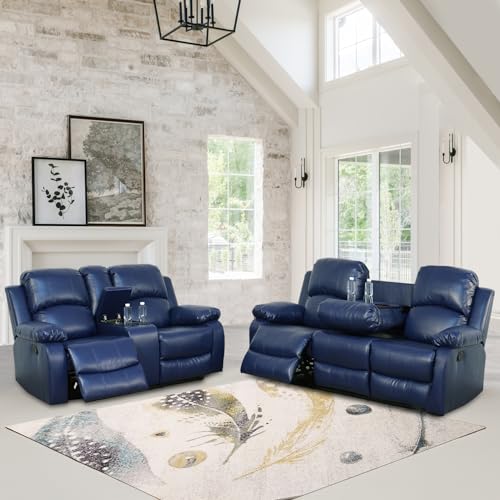 It is often difficult to determine if are buying genuine leather couches due to misleading product descriptions and price tags. It is important to get close and personal to smell, feel and turn over a cushion to check the fabric.
For example, a "leather couch' CHOICE tested had upholstered contact areas (such as the armrests and seats) in genuine leather while 'non contact' areas were made of cotton and polyester coated.
1. Smell
A real leather sofa should smell rich and natural. False leather, however, often smells chemically-processed and artificial. If your couch is smelling unpleasant smell, it could be caused by pet urine or stains. In the majority of cases, a thorough clean will remove any smell. If you're not satisfied with the results, try applying a leather conditioner. This will restore moisture to the leather, making it softer, less fragile, and more resistant to odors.
You can also make use of an organic odor remover like baking soda to remove unpleasant odors from your sofa. Mix equal parts of vinegar and water. Use a microfiber cloth to clean your leather couch. If the cloth begins to gather dirt, you can either wring it or replace it with a fresh one. You can also spray the solution on your couch. The mixture should dry before wiping again.
Another natural way to remove the smells from your leather is by airing it out. Place the sofa in a bright space to let it air out. This will help remove unpleasant odors and give it a fresh, natural scent.
If you'd like to keep away from unpleasant odors, you can buy a leather conditioner containing healthy oils. This will stop your leather from soaking up odors and keep it smelling good for a longer time.
The scent of leather can be appealing, but it is difficult to maintain. In time, it may absorb the odors of smoking, cooking, and even body odor. These odors are difficult to eliminate particularly when you have children or pets. Real leather couches do not trap these odors as fabric upholstery can. This makes them an ideal choice for families with active children.
If your couch smells akin to an odor of a dog that has peed on it, it's important to address the issue immediately. You can try some of the tips above, or try using a dedicated product such as Leather Honey to treat the issue. Prevention is the best solution, though, so be sure to teach your dog not to pee on the couch!
2. Feel free to contact us with any questions.
There are some clues to look for when you are shopping for a leather sofa, however the most reliable way to determine whether it's genuine is to touch it and smell it. Real leather has an unmistakable unique, natural scent. The smell can fade as time passes, but it should be evident when the sofa is brand new.
A genuine leather sofa is supposed to be warm and soft to touch. Faux and bonded leathers however are typically more plasticky feel and are colder to the touch. To test this, gently press your fingertips onto the surface of the couch and feel for bumps. If you don't feel any bumps on the couch, it is likely faux-rustic leather sofa or bonded.
Another sign of a fake sofa is when you can see vertical seams stitched on the back of the sofa. This indicates that the leather isn't one continuous piece, which is a characteristic of genuine leather couches.
The quality of the frame of the leather sofa can have a significant impact on its life span however it's not always clear. Find out what kind of wood was used in the making of the frame. This will help you choose an item that has a long lifespan. Solid oak frames are the most durable, but they're also the most expensive. Engineered or particle board frames will be less sturdy. To improve durability, hardwood frames must be kiln dried to stop the growth of mildew and warping.
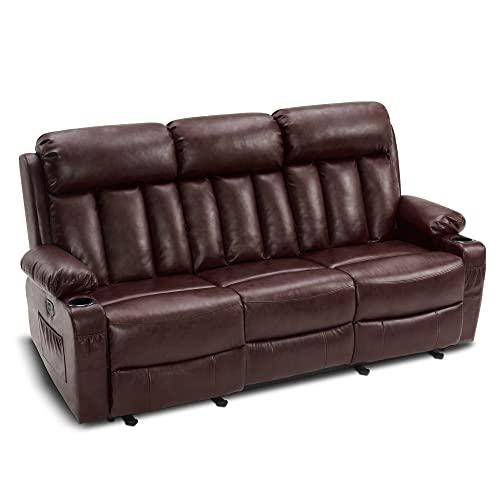 If you're for a price that isn't too expensive there are plenty of affordable genuine leather sofas that you could still fall in love with. The Room & Board Stevens Leather Sofa is a good example. It is a stylish and versatile option that is often available for sale and can be customized to fit your home.
Another budget-friendly option is the La-Z-Boy Gather Manual Reclining Sofa, which is classic in design and is available in hundreds of fade-resistant fabrics. However, this modular sofa requires assembly at home and its back cushions are prone to slide down.
3. Backing
Real leather couches are different from other types of upholstery. Leather sofas are extremely robust and withstand wear and tear better than fabric, making them last for a long time to be. They also resist spills and stains and are less likely to attract allergens and dust, so they don't need the same amount of regular care and cleaning. Leather couches aren't different. As with any other purchase, it's crucial to be aware of the pitfalls before making a final decision.
If you're unsure whether your new sofa is made of fabric or leather it is best to first look at the tag of materials that is that is attached to the frame. This will reveal exactly what kind of material it is. However, you should also utilize your own senses to help make the right choice if you don't discover any information regarding the material composition of the sofa.
The couch's surface should be examined closely, paying attention to the texture, shading and patterns. Real leather sofa with chaise couches are likely to have natural imperfections and the structure, pattern, or shading will not be uniform. If the surface is smooth and uniform, or if a mesh-like backing is visible instead of coarse leather, it's a dead indicator of fake or synthetic leather.
Another good test is to look at the back of the cushion casing. If the cushion has vertical stitching on its back, it is not genuine leather. The reason is because animal hides have a limit on their size, and they can only be cut so large. To ensure the best quality of their products top-rated manufacturers will always stitch and sew throughout the back of a sofa to ensure that it's genuinely leather and not fake or bonded leather.
If you can raise a corner and inspect the padding on the back. If the back of the padding is coated with an woven fabric or covered in polyurethane, this is another indicator that the sofa is not genuine leather. Genuine leather should feel firm and rough when the touch is made.
4. Patterns
A leather sofa is a timeless piece, and with good reason. The material's warm, natural look and feel can elevate any living space. Plus the modern tanning process provides it with the added strength to withstand cracks and sagging. Because each hide has its own unique patterns and blemishes, grain, and marks each leather couch is truly one-of-a-kind.
While prices and labels are excellent indicators but the best way to know if you're buying genuine leather is to get up close and close to it. To get a better idea of the authenticity of the leather, take a look at the surface texture patterns, structure, and pattern. If the structure of the mid century leather sofa is consistent and there aren't any visible blemishes on the surface, then it's likely to be fake or bound.
A back made of polyurethane on the sofa is a further indicator. This is a common characteristic of bonded leather. Genuine leather will appear more natural and be supported by materials that closely match the fabric used to make furniture.
Check the back of your couch to determine whether there are any vertical seams. This is an indication of a top-quality piece of leather that has been carefully constructed to last. On the other hand, if there are no seams and the back of the sofa looks like a continuous piece of cloth, it's likely a lower-quality faux or bonded leather sofa.
If you've decided that the couch is authentic leather the next step is to pair it with the rest of your living room furniture. Combine your sofa with wooden furniture, and then add pillows that match the colors of your space. Or, you can opt for a comfortable, lively arrangement by placing your sofa across from other pieces with a coffee table in between.
Keep your leather sofa away from direct sunlight to prevent it fading or developing scuffs. If you're looking to safeguard your investment by extending its life, you should consider applying a leather protection agent every two or three times a year.
It is often difficult to determine if are buying genuine leather couches due to misleading product descriptions and price tags. It is important to get close and personal to smell, feel and turn over a cushion to check the fabric.For example, a "leather couch' CHOICE tested had upholstered contact areas (such as the armrests and seats) in genuine leather while 'non contact' areas were made of cotton and polyester coated.
1. Smell
A real leather sofa should smell rich and natural. False leather, however, often smells chemically-processed and artificial. If your couch is smelling unpleasant smell, it could be caused by pet urine or stains. In the majority of cases, a thorough clean will remove any smell. If you're not satisfied with the results, try applying a leather conditioner. This will restore moisture to the leather, making it softer, less fragile, and more resistant to odors.
You can also make use of an organic odor remover like baking soda to remove unpleasant odors from your sofa. Mix equal parts of vinegar and water. Use a microfiber cloth to clean your leather couch. If the cloth begins to gather dirt, you can either wring it or replace it with a fresh one. You can also spray the solution on your couch. The mixture should dry before wiping again.
Another natural way to remove the smells from your leather is by airing it out. Place the sofa in a bright space to let it air out. This will help remove unpleasant odors and give it a fresh, natural scent.
If you'd like to keep away from unpleasant odors, you can buy a leather conditioner containing healthy oils. This will stop your leather from soaking up odors and keep it smelling good for a longer time.
The scent of leather can be appealing, but it is difficult to maintain. In time, it may absorb the odors of smoking, cooking, and even body odor. These odors are difficult to eliminate particularly when you have children or pets. Real leather couches do not trap these odors as fabric upholstery can. This makes them an ideal choice for families with active children.
If your couch smells akin to an odor of a dog that has peed on it, it's important to address the issue immediately. You can try some of the tips above, or try using a dedicated product such as Leather Honey to treat the issue. Prevention is the best solution, though, so be sure to teach your dog not to pee on the couch!
2. Feel free to contact us with any questions.
There are some clues to look for when you are shopping for a leather sofa, however the most reliable way to determine whether it's genuine is to touch it and smell it. Real leather has an unmistakable unique, natural scent. The smell can fade as time passes, but it should be evident when the sofa is brand new.
A genuine leather sofa is supposed to be warm and soft to touch. Faux and bonded leathers however are typically more plasticky feel and are colder to the touch. To test this, gently press your fingertips onto the surface of the couch and feel for bumps. If you don't feel any bumps on the couch, it is likely faux-rustic leather sofa or bonded.
Another sign of a fake sofa is when you can see vertical seams stitched on the back of the sofa. This indicates that the leather isn't one continuous piece, which is a characteristic of genuine leather couches.
The quality of the frame of the leather sofa can have a significant impact on its life span however it's not always clear. Find out what kind of wood was used in the making of the frame. This will help you choose an item that has a long lifespan. Solid oak frames are the most durable, but they're also the most expensive. Engineered or particle board frames will be less sturdy. To improve durability, hardwood frames must be kiln dried to stop the growth of mildew and warping.
If you're for a price that isn't too expensive there are plenty of affordable genuine leather sofas that you could still fall in love with. The Room & Board Stevens Leather Sofa is a good example. It is a stylish and versatile option that is often available for sale and can be customized to fit your home.Another budget-friendly option is the La-Z-Boy Gather Manual Reclining Sofa, which is classic in design and is available in hundreds of fade-resistant fabrics. However, this modular sofa requires assembly at home and its back cushions are prone to slide down.
3. Backing
Real leather couches are different from other types of upholstery. Leather sofas are extremely robust and withstand wear and tear better than fabric, making them last for a long time to be. They also resist spills and stains and are less likely to attract allergens and dust, so they don't need the same amount of regular care and cleaning. Leather couches aren't different. As with any other purchase, it's crucial to be aware of the pitfalls before making a final decision.
If you're unsure whether your new sofa is made of fabric or leather it is best to first look at the tag of materials that is that is attached to the frame. This will reveal exactly what kind of material it is. However, you should also utilize your own senses to help make the right choice if you don't discover any information regarding the material composition of the sofa.
The couch's surface should be examined closely, paying attention to the texture, shading and patterns. Real leather sofa with chaise couches are likely to have natural imperfections and the structure, pattern, or shading will not be uniform. If the surface is smooth and uniform, or if a mesh-like backing is visible instead of coarse leather, it's a dead indicator of fake or synthetic leather.
Another good test is to look at the back of the cushion casing. If the cushion has vertical stitching on its back, it is not genuine leather. The reason is because animal hides have a limit on their size, and they can only be cut so large. To ensure the best quality of their products top-rated manufacturers will always stitch and sew throughout the back of a sofa to ensure that it's genuinely leather and not fake or bonded leather.
If you can raise a corner and inspect the padding on the back. If the back of the padding is coated with an woven fabric or covered in polyurethane, this is another indicator that the sofa is not genuine leather. Genuine leather should feel firm and rough when the touch is made.
4. Patterns
A leather sofa is a timeless piece, and with good reason. The material's warm, natural look and feel can elevate any living space. Plus the modern tanning process provides it with the added strength to withstand cracks and sagging. Because each hide has its own unique patterns and blemishes, grain, and marks each leather couch is truly one-of-a-kind.
While prices and labels are excellent indicators but the best way to know if you're buying genuine leather is to get up close and close to it. To get a better idea of the authenticity of the leather, take a look at the surface texture patterns, structure, and pattern. If the structure of the mid century leather sofa is consistent and there aren't any visible blemishes on the surface, then it's likely to be fake or bound.
A back made of polyurethane on the sofa is a further indicator. This is a common characteristic of bonded leather. Genuine leather will appear more natural and be supported by materials that closely match the fabric used to make furniture.
Check the back of your couch to determine whether there are any vertical seams. This is an indication of a top-quality piece of leather that has been carefully constructed to last. On the other hand, if there are no seams and the back of the sofa looks like a continuous piece of cloth, it's likely a lower-quality faux or bonded leather sofa.
If you've decided that the couch is authentic leather the next step is to pair it with the rest of your living room furniture. Combine your sofa with wooden furniture, and then add pillows that match the colors of your space. Or, you can opt for a comfortable, lively arrangement by placing your sofa across from other pieces with a coffee table in between.
Keep your leather sofa away from direct sunlight to prevent it fading or developing scuffs. If you're looking to safeguard your investment by extending its life, you should consider applying a leather protection agent every two or three times a year.
- 이전글Why All The Fuss? Wood Burning Stove For Sale? 24.08.27
- 다음글Five Nespresso Machine Lessons From The Pros 24.08.27
댓글목록
등록된 댓글이 없습니다.


