
What's The Job Market For Build Your Own Tool Kit Professionals?
페이지 정보

본문
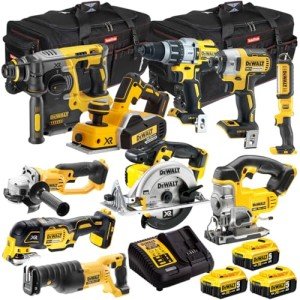
Build Your Own Tool Kit: A Comprehensive Guide
Structure your own tool kit is a vital undertaking for any DIY enthusiast, property owner, or enthusiast. Having a well-organized and thorough Tool Packs kit not only allows you to deal with different projects effectively however also conserves you time and cash in the long run. This guide will explore how to build your own tool kit, what tools to include, and answer some regularly asked concerns.
Why Build Your Own Tool Kit?
Producing your own tool kit offers several benefits:
- Personalization: You can tailor your toolkit to satisfy your specific requirements and jobs.
- Quality Control: You can choose the tools based on individual preference for quality and durability.
- Expense Effectiveness: You can prevent purchasing unnecessary tools and focus on what you require.
- Learning Experience: Building your own toolkit is an instructional experience that boosts your understanding of your tools.
Vital Tools for Your Tool Kit
Producing a tool kit can seem complicated, specifically with the range of tools readily available. Below is a categorized list of essential tools, from hand tools to power tools, to assist you get going:
| Category | Tools | Purpose |
|---|---|---|
| Hand Tools | Screwdrivers (various sizes) | Tightening and loosening screws |
| Hammers (claw and rubber) | Driving and eliminating nails | |
| Pliers (needle-nose, slip-joint) | Gripping, twisting, and cutting | |
| Wrenches (adjustable and socket) | Tightening or loosening up bolts | |
| Tape Measure | Determining length | |
| Cutting Tools | Energy Knife | Cutting various products |
| Handsaw | Cutting wood | |
| Power Tools | Cordless Drill | Drilling holes and driving screws |
| Circular Saw | Cutting big sheets of product | |
| Fasteners | Nails, Screws, and Anchors | Securing materials |
| Wood Glue | Bonding wood pieces together | |
| Safety Gear | Safety Glasses | Safeguarding eyes |
| Work Gloves | Securing hands | |
| Ear Protection | Reducing noise exposure | |
| Organizational | Tool Box or Bag | Keeping tools arranged |
| Identifying Supplies | Easy identification of tools |
Developing Your Tool Kit: Step-by-Step
Recognize Your Needs: Determine what projects you prepare to undertake. Different projects require various tools. For instance, if you're mostly working with wood, concentrate on wood-cutting tools.
Spending plan Planning: Decide how much you are prepared to invest in your tools. Purchasing quality tools is vital, as they can last a lifetime.
Purchase Tools Gradually: Start with the most important tools and slowly add more specialized tools as needed.
Organization: Invest in a tough toolbox or organizer. Keep frequently used tools quickly available while storing others firmly.
Upkeep: Regularly tidy and maintain your Electric Tools Set to extend their lifespan and ensure they carry out well.
Advantages of Different Tool Types
| Tool Type | Benefits | Downsides |
|---|---|---|
| Hand Tools | No need for electrical Power Tool Sets UK, portable, exact | Can be labor-intensive |
| Power Tools | Save time and effort, increase accuracy | Requires electrical energy, heavier |
| Cutting Tools | Versatile and reliable for various materials | Needs appropriate handling and maintenance |
FREQUENTLY ASKED QUESTION: Building Your Own Tool Kit
1. What is the minimum variety of tools I require to start with?
A basic toolkit can start with just 5-10 necessary hand tools (e.g., a hammer, screwdrivers, pliers, a measuring tape, and an energy knife) depending upon your requirements.
2. How do I select the right tools?
Consider the kinds of jobs you will carry out. Research the tools used for those jobs and examine the quality and brand name reliability.
3. Should I buy new or utilized tools?
Both alternatives have benefit. New tools typically include warranties, while utilized tools can be more cost-effective. Make sure utilized tools remain in great condition and functioning well.
4. How should I preserve my tools?
Keep them clean, store them effectively, and inspect routinely for any needed repairs or replacements. Oiling and honing cutting tools will likewise enhance their performance.
5. Can I produce a tool kit on a budget plan?
Yes! Look for economical tools, store during sales, or consider second-hand choices. Focus on the most required tools initially.
Final Thoughts
Building your own tool kit is not only a useful financial investment however also a satisfying experience that enhances your skills. It makes it possible for individuals to handle jobs with self-confidence and proficiency. By carefully picking a mix of hand tools, powered tools, cutting tools, security equipment, and organizational materials, anyone can produce a tailored tool kit that meets their special requirements.
With a well-rounded tool kit in hand, people can open their imagination and see their ideas come to life, task by job. Happy structure!
- 이전글15 Shocking Facts About Window Replacement The Words You've Never Learned 25.12.10
- 다음글15 Best Ovens On Sales Bloggers You Must Follow 25.12.10
댓글목록
등록된 댓글이 없습니다.


