
Guide To Are Mobility Scooters Allowed On The Pavement: The Intermedia…
페이지 정보

본문
Mobility Scooter Laws and Regulations - Are Mobility Scooters Allowed on the Pavement?
Mobility scooters allow seniors to remain at home and independent to run errands, shop, and socialize without having rely on relatives or ride services. It is crucial to know local laws and regulations regarding mobility scooters.
Scooters must never be driven on motorways, cycle paths or bus routes. They should also not be parked in areas where they could hinder access for pedestrians or those with prams and pushchairs.
Legality
Mobility scooters are a popular choice for those who need assistance with getting around. They provide independence and help many people. Many people are unaware of the rules and regulations that apply to these vehicles. There are many aspects to consider. These include whether they are street legal, if they are allowed to be ridden on sidewalks or bike paths as well as what the speed limit for them is, if safety equipment is needed, and more. By knowing the laws and rules that govern mobility scooters, you can make more informed choices regarding how you make use of them.
Although the answer to the "are mobility scooters permitted on the pavement mobility scooter?" question is generally yes, it is important to remember that every state has its own rules concerning the use of this type of vehicle. Illinois for instance requires that moped riders have an L or Class M license and have completed safety classes. North Carolina law, on contrary, permits mobility scooters to operate without any licensing or registration. These devices are also not permitted to be used on specific roads, including highways and interstates.
The speed limits of mobility scooters differ by state, but they all require that they do not exceed 4 mph while driving on the road. This limit is intended to ensure safety for pedestrians. Additionally all scooters should be equipped with appropriate lights and reflectors to improve visibility in low-light conditions.
Many people who operate mobility scooters also use them on the road, although this is not recommended. These devices were designed to be used on sidewalks, so using them on roads can lead to dangerous situations. You should only use your scooter on streets when there are no sidewalks in your area.
Be aware that these laws were enacted by the majority of municipal governments to ensure safety. Mobility scooters travel slower and are less noticeable than motorbikes or cars which makes them more likely to be involved in accidents. Many of these vehicles cannot traverse over bumps or inclines in the sidewalk. This can result in injuries to the rider.
Safety
It's no secret that mobility scooters are becoming increasingly popular, bringing a renewed feeling of freedom and independence to their users. As motorized vehicles, these scooters are often used on sidewalks along with pedestrians.
There are some ways to ensure that your scooter doesn't present a danger to pedestrians or other sidewalk users. The most obvious one is to be aware of the surroundings you're riding. Also, ensure that you don't wander off course or end up in the path of pedestrians. Give other pedestrians the right of way if you are able to especially if they're impaired in their vision or hearing.
You should also follow the same rules for pedestrians when you operate your scooter. It is important to obey traffic signals and signs and travel in the proper direction when using sidewalks, as well as not blocking the path of other pedestrians or causing obstructions while driving your scooter. If you decide to operate mobility scooters on roads, you must always adhere to traffic laws. Never operate your vehicle in areas where the speed limit exceeds 25 miles per hour or on highways.
Mobility scooters should not be used on highways or roads with high traffic. Additionally, scooters are not permitted to be used on bus lanes or in 'cycle-only' lanes, as they are reserved for bicycles.
It is also important to consider the radius of your scooter's turning when you're deciding on the model you want to purchase. The turning radius of the majority of scooters is smaller than that of a car, making them easy to maneuver in hallways, store aisles, and other tight spaces you might need to travel. However, this means they are less safe on uneven surfaces like sidewalks, so extra care should be taken when driving through these areas.
Pedestrians
Since mobility scooters are categorized as mobility devices for pedestrians, most municipal regulations allow riders to ride on pedestrian walkways and sidewalks. However, users should ensure their EPAMDs are equipped with essential safety features like reflective reflectors and headlights that work to provide visibility in dark or low-light conditions. Also, they should avoid driving at a higher speed than pedestrian traffic on sidewalks and be sure to give way to pedestrians when traveling in the same direction of travel.
If there isn't a sidewalk in the area, those using mobility scooters might be able to operate their vehicles on neighborhood and local roads. However, they must remember that their use isn't necessarily legal everywhere, especially if they live in a gated community with a homeowner's association (HOA) which may have specific rules for the operation of mobility scooters.
Furthermore, if they are operating their mobility scooters on streets or local roads, they should adhere to general traffic laws and regulations, including obeying traffic signals and crossing the street at designated crosswalks. They should also be aware of pedestrians, their surroundings, and put a priority on their safety and that of the others. For example they may dismount their scooters in crowded areas or narrow spaces and use ramps or elevators for navigation around obstacles.
Despite their size, mobility scooters may be a danger to pedestrians who are unaware of their presence. As such, it is essential that users of mobility scooters be considerate and give the right of way to pedestrians. They should also slow or stop when they pass pedestrians, particularly in crowded areas or in bad weather. They may not be able to see or hear them.
Furthermore, since mobility scooters are not classified as motor vehicles, their owners are not required to obtain a driver's license or insurance for the device. However, it is recommended to buy insurance to protect themselves against any incidents that may occur on the road. The reason for this is that liability insurance could cover any costs resulting from accidents, property damage or other losses incurred by the operator of the scooter.
Parking
Mobility scooters have become a popular option for tackling busy roads and pavements, allowing users to enjoy greater independence. However, these scooters are not a replacement for walking and must be operated within a specific set of guidelines that consider pedestrian safety.
It is essential to be aware of the local laws and regulations that regulate mobility scooters. This includes understanding local rules and regulations regarding speed limits as well as parking and no-ride areas. This includes following the best techniques when operating the scooter. This includes giving pedestrians rights of way, not crossing pedestrian-friendly zones, and wearing appropriate safety gear.
Class 2 mobility scooters are able to travel up to 4 miles per hour on sidewalks and other areas that are pedestrian-friendly however they are not permitted to be utilized on lanes designated for cycling only. It is also essential to park your scooter in a place that does not hinder the flow of other pedestrians. This includes those with prams or pushchairs. It is important to avoid clogging pathways because they could be hazardous or interfere with the operation of the scooter.
While it's not legally required however, it is recommended to wear a helmet while using your mobility scooter. This will help protect you from injuries in the event of an accident. It can you ride a mobility scooter on the pavement also improve your visibility on the road. It is also recommended to install reflectors and lights on your scooter, especially if you drive it at night or in adverse weather conditions.
Understanding the laws and regulations governing mobility scooters within your community is the next step. The rules and regulations differ from state to state, but most of them regulate the speed at which mobility scooter 4mph scooters can be driven on public roads. A lot of these vehicles aren't designed to operate at a fast speed, which makes them more vulnerable to accidents. It's also not advisable to ride a scooter on a highway, as this can cause danger to the driver and other road users.
Additionally, certain states require you to pay for a license to drive a mobility scooter on the road. It is not a requirement in Nevada. However it is essential to verify local laws prior to purchasing a scooter.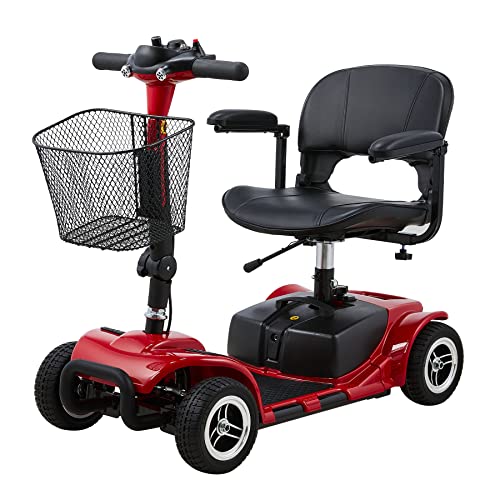
Mobility scooters allow seniors to remain at home and independent to run errands, shop, and socialize without having rely on relatives or ride services. It is crucial to know local laws and regulations regarding mobility scooters.
Scooters must never be driven on motorways, cycle paths or bus routes. They should also not be parked in areas where they could hinder access for pedestrians or those with prams and pushchairs.
Legality
Mobility scooters are a popular choice for those who need assistance with getting around. They provide independence and help many people. Many people are unaware of the rules and regulations that apply to these vehicles. There are many aspects to consider. These include whether they are street legal, if they are allowed to be ridden on sidewalks or bike paths as well as what the speed limit for them is, if safety equipment is needed, and more. By knowing the laws and rules that govern mobility scooters, you can make more informed choices regarding how you make use of them.
Although the answer to the "are mobility scooters permitted on the pavement mobility scooter?" question is generally yes, it is important to remember that every state has its own rules concerning the use of this type of vehicle. Illinois for instance requires that moped riders have an L or Class M license and have completed safety classes. North Carolina law, on contrary, permits mobility scooters to operate without any licensing or registration. These devices are also not permitted to be used on specific roads, including highways and interstates.
The speed limits of mobility scooters differ by state, but they all require that they do not exceed 4 mph while driving on the road. This limit is intended to ensure safety for pedestrians. Additionally all scooters should be equipped with appropriate lights and reflectors to improve visibility in low-light conditions.
Many people who operate mobility scooters also use them on the road, although this is not recommended. These devices were designed to be used on sidewalks, so using them on roads can lead to dangerous situations. You should only use your scooter on streets when there are no sidewalks in your area.
Be aware that these laws were enacted by the majority of municipal governments to ensure safety. Mobility scooters travel slower and are less noticeable than motorbikes or cars which makes them more likely to be involved in accidents. Many of these vehicles cannot traverse over bumps or inclines in the sidewalk. This can result in injuries to the rider.
Safety
It's no secret that mobility scooters are becoming increasingly popular, bringing a renewed feeling of freedom and independence to their users. As motorized vehicles, these scooters are often used on sidewalks along with pedestrians.
There are some ways to ensure that your scooter doesn't present a danger to pedestrians or other sidewalk users. The most obvious one is to be aware of the surroundings you're riding. Also, ensure that you don't wander off course or end up in the path of pedestrians. Give other pedestrians the right of way if you are able to especially if they're impaired in their vision or hearing.
You should also follow the same rules for pedestrians when you operate your scooter. It is important to obey traffic signals and signs and travel in the proper direction when using sidewalks, as well as not blocking the path of other pedestrians or causing obstructions while driving your scooter. If you decide to operate mobility scooters on roads, you must always adhere to traffic laws. Never operate your vehicle in areas where the speed limit exceeds 25 miles per hour or on highways.
Mobility scooters should not be used on highways or roads with high traffic. Additionally, scooters are not permitted to be used on bus lanes or in 'cycle-only' lanes, as they are reserved for bicycles.
It is also important to consider the radius of your scooter's turning when you're deciding on the model you want to purchase. The turning radius of the majority of scooters is smaller than that of a car, making them easy to maneuver in hallways, store aisles, and other tight spaces you might need to travel. However, this means they are less safe on uneven surfaces like sidewalks, so extra care should be taken when driving through these areas.
Pedestrians
Since mobility scooters are categorized as mobility devices for pedestrians, most municipal regulations allow riders to ride on pedestrian walkways and sidewalks. However, users should ensure their EPAMDs are equipped with essential safety features like reflective reflectors and headlights that work to provide visibility in dark or low-light conditions. Also, they should avoid driving at a higher speed than pedestrian traffic on sidewalks and be sure to give way to pedestrians when traveling in the same direction of travel.
If there isn't a sidewalk in the area, those using mobility scooters might be able to operate their vehicles on neighborhood and local roads. However, they must remember that their use isn't necessarily legal everywhere, especially if they live in a gated community with a homeowner's association (HOA) which may have specific rules for the operation of mobility scooters.
Furthermore, if they are operating their mobility scooters on streets or local roads, they should adhere to general traffic laws and regulations, including obeying traffic signals and crossing the street at designated crosswalks. They should also be aware of pedestrians, their surroundings, and put a priority on their safety and that of the others. For example they may dismount their scooters in crowded areas or narrow spaces and use ramps or elevators for navigation around obstacles.
Despite their size, mobility scooters may be a danger to pedestrians who are unaware of their presence. As such, it is essential that users of mobility scooters be considerate and give the right of way to pedestrians. They should also slow or stop when they pass pedestrians, particularly in crowded areas or in bad weather. They may not be able to see or hear them.
Furthermore, since mobility scooters are not classified as motor vehicles, their owners are not required to obtain a driver's license or insurance for the device. However, it is recommended to buy insurance to protect themselves against any incidents that may occur on the road. The reason for this is that liability insurance could cover any costs resulting from accidents, property damage or other losses incurred by the operator of the scooter.
Parking
Mobility scooters have become a popular option for tackling busy roads and pavements, allowing users to enjoy greater independence. However, these scooters are not a replacement for walking and must be operated within a specific set of guidelines that consider pedestrian safety.
It is essential to be aware of the local laws and regulations that regulate mobility scooters. This includes understanding local rules and regulations regarding speed limits as well as parking and no-ride areas. This includes following the best techniques when operating the scooter. This includes giving pedestrians rights of way, not crossing pedestrian-friendly zones, and wearing appropriate safety gear.
Class 2 mobility scooters are able to travel up to 4 miles per hour on sidewalks and other areas that are pedestrian-friendly however they are not permitted to be utilized on lanes designated for cycling only. It is also essential to park your scooter in a place that does not hinder the flow of other pedestrians. This includes those with prams or pushchairs. It is important to avoid clogging pathways because they could be hazardous or interfere with the operation of the scooter.
While it's not legally required however, it is recommended to wear a helmet while using your mobility scooter. This will help protect you from injuries in the event of an accident. It can you ride a mobility scooter on the pavement also improve your visibility on the road. It is also recommended to install reflectors and lights on your scooter, especially if you drive it at night or in adverse weather conditions.
Understanding the laws and regulations governing mobility scooters within your community is the next step. The rules and regulations differ from state to state, but most of them regulate the speed at which mobility scooter 4mph scooters can be driven on public roads. A lot of these vehicles aren't designed to operate at a fast speed, which makes them more vulnerable to accidents. It's also not advisable to ride a scooter on a highway, as this can cause danger to the driver and other road users.
Additionally, certain states require you to pay for a license to drive a mobility scooter on the road. It is not a requirement in Nevada. However it is essential to verify local laws prior to purchasing a scooter.
- 이전글The Three Greatest Moments In Car Boot Scooter History 24.08.26
- 다음글Mitsubishi Lancer Key Programming Tools To Streamline Your Daily Lifethe One Mitsubishi Lancer Key Programming Trick Every Person Should Know 24.08.26
댓글목록
등록된 댓글이 없습니다.


