
What's The Current Job Market For Lidar Robot Vacuum And Mop Professio…
페이지 정보

본문
Lidar and SLAM Navigation for robot vacuum cleaner lidar Vacuum and Mop
Autonomous navigation is a key feature for any robot vacuum and mop. They can get stuck under furniture or get caught in shoelaces or cables.
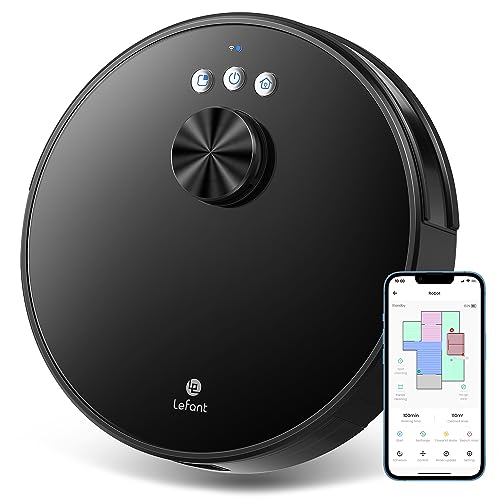 Lidar mapping technology can help a robot to avoid obstacles and keep its cleaning path free of obstructions. This article will explain how it works and some of the most effective models that incorporate it.
lidar robot vacuum (click the following website) Technology
Lidar is a key characteristic of robot vacuums. They use it to draw precise maps, and detect obstacles in their route. It emits laser beams that bounce off objects in the room and return to the sensor, which is capable of measuring their distance. This data is used to create an 3D model of the room. Lidar technology is also utilized in self-driving cars to assist to avoid collisions with objects and other vehicles.
Robots that use lidar are less likely to bump into furniture or become stuck. This makes them more suitable for homes with large spaces than robots that only use visual navigation systems which are more limited in their ability to understand the surroundings.
Despite the many benefits of using lidar, it does have certain limitations. It may be unable to detect objects that are transparent or reflective, such as coffee tables made of glass. This can cause the robot to misinterpret the surface and cause it to move into it and possibly damage both the table as well as the robot.
To address this issue manufacturers are always striving to improve the technology and the sensitivity of the sensors. They are also exploring various ways to incorporate the technology into their products, such as using binocular or monocular obstacle avoidance based on vision alongside lidar.
Many robots also employ other sensors in addition to lidar to detect and avoid obstacles. There are a variety of optical sensors, such as bumpers and cameras. However there are a variety of mapping and navigation technologies. They include 3D structured light obstacle avoidance, 3D ToF (Time of Flight) obstacle avoidance and binocular or monocular vision-based obstacle avoidance.
The top robot vacuums employ the combination of these technologies to create precise maps and avoid obstacles when cleaning. They can sweep your floors without worrying about them getting stuck in furniture or falling into it. Find models with vSLAM and other sensors that give an accurate map. It should also have an adjustable suction power to make sure it's furniture-friendly.
SLAM Technology
SLAM is an automated technology that is used in many applications. It allows autonomous robots map environments, identify their position within these maps, and interact with the environment around them. SLAM is typically used in conjunction with other sensors, such as LiDAR and cameras, in order to analyze and collect data. It is also incorporated into autonomous vehicles and cleaning robots to help them navigate.
Using SLAM, a cleaning robot can create a 3D model of a room as it moves through it. This map can help the robot to identify obstacles and deal with them efficiently. This type of navigation is perfect for cleaning large spaces with furniture and other objects. It can also help identify areas with carpets and increase suction power in the same way.
A robot vacuum would move randomly around the floor without SLAM. It wouldn't know where the furniture was and would constantly get across furniture and other items. In addition, a robot would not be able to recall the areas it has previously cleaned, thereby defeating the purpose of having a cleaner in the first place.
Simultaneous mapping and localization is a difficult task that requires a huge amount of computing power and memory. As the costs of computer processors and LiDAR sensors continue to decrease, SLAM is becoming more widespread in consumer robots. Despite its complexity, a robotic vacuum that makes use of SLAM is a good investment for anyone who wants to improve the cleanliness of their home.
Lidar robot vacuums are safer than other robotic vacuums. It is able to detect obstacles that an ordinary camera could miss and can keep these obstacles out of the way and save you the hassle of moving furniture or other objects away from walls.
Some robotic vacuums use an advanced version of SLAM called vSLAM (velocity and spatial language mapping). This technology is significantly more precise and faster than traditional navigation methods. Contrary to other robots which take an extended time to scan and update their maps, vSLAM is able to recognize the position of individual pixels within the image. It also has the capability to detect the position of obstacles that are not present in the current frame which is beneficial for maintaining a more accurate map.
Obstacle Avoidance
The best robot vacuums, lidar mapping vacuums and mops use obstacle avoidance technologies to stop the robot from running over things like walls or furniture. This means you can let the robot clean your house while you relax or relax and watch TV without having move all the stuff away first. Some models are made to map out and navigate around obstacles even if the power is off.
Ecovacs Deebot 240, Roborock S7 maxV Ultra and iRobot Braava Jet 240 are among the most sought-after robots that utilize map and navigation in order to avoid obstacles. All of these robots are able to vacuum robot with lidar and mop, but certain models require you to prepare the room before they start. Other models can vacuum and mop without having to clean up prior to use, but they need to be aware of where the obstacles are so they don't run into them.
To aid in this, the top models are able to utilize both ToF and LiDAR cameras. They can provide the most detailed understanding of their surroundings. They can identify objects down to the millimeter level and can even detect fur or dust in the air. This is the most powerful characteristic of a robot, but it comes at the highest cost.
Robots can also stay clear of obstacles using object recognition technology. This allows robots to identify various household items, such as books, shoes and pet toys. The Lefant N3 robot, for example, uses dToF Lidar navigation to create a real-time map of the house and to identify obstacles more accurately. It also comes with a No-Go Zone function that allows you to set a virtual walls using the app to determine the area it will travel to.
Other robots can employ one or more of these technologies to detect obstacles. For instance, 3D Time of Flight technology, which sends out light pulses and measures the amount of time it takes for the light to reflect back in order to determine the depth, size and height of an object. This technique is efficient, but it's not as accurate when dealing with reflective or transparent objects. Other people utilize a monocular or binocular sighting with one or two cameras in order to capture photos and recognize objects. This works better for opaque, solid objects however it isn't always able to work well in low-light conditions.
Recognition of Objects
The main reason people choose robot vacuums that use SLAM or Lidar over other navigation techniques is the precision and accuracy that they offer. This makes them more expensive than other types. If you're working within a budget, you might require an alternative type of vacuum.
Other robots that utilize mapping technologies are also available, however they are not as precise, nor do they work well in low-light conditions. For example robots that use camera mapping take pictures of the landmarks in the room to create an image of. They might not work at night, though some have started to add a source of light that helps them navigate in the dark.
In contrast, robots with SLAM and Lidar make use of laser sensors that send out pulses of light into the space. The sensor measures the time it takes for the light beam to bounce and calculates the distance. With this data, it builds up an 3D virtual map that the robot could use to avoid obstacles and clean more effectively.
Both SLAM (Surveillance Laser) and Lidar (Light Detection and Rangeing) have strengths and weaknesses when it comes to the detection of small objects. They are excellent at recognizing large objects such as furniture and walls but can have trouble recognizing smaller ones such as cables or wires. This could cause the robot to suck them up or cause them to get tangled. Most robots have applications that allow you to set boundaries that the robot is not allowed to cross. This prevents it from accidentally damaging your wires or other delicate items.
Some of the most sophisticated robotic vacuums have cameras built in. This lets you view a visualization of your home on the app, helping you know how your robot is performing and what is lidar robot vacuum areas it's cleaned. It is also able to create cleaning schedules and settings for each room, and to monitor the amount of dirt removed from the floor. The DEEBOT T20 OMNI from ECOVACS is a great example of a robot that blends both SLAM and Lidar navigation, along with a high-end scrubber, powerful suction power of up to 6,000Pa and self-emptying bases.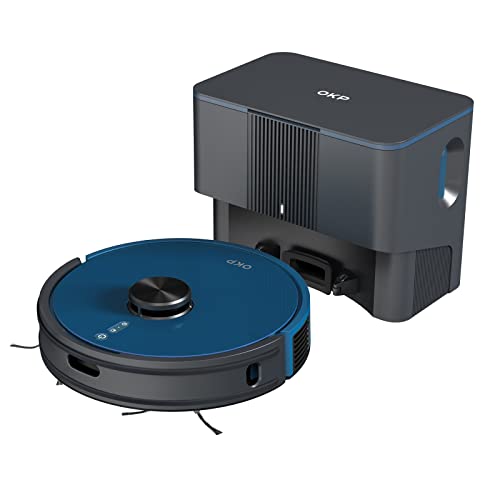
Autonomous navigation is a key feature for any robot vacuum and mop. They can get stuck under furniture or get caught in shoelaces or cables.
Lidar mapping technology can help a robot to avoid obstacles and keep its cleaning path free of obstructions. This article will explain how it works and some of the most effective models that incorporate it.lidar robot vacuum (click the following website) Technology
Lidar is a key characteristic of robot vacuums. They use it to draw precise maps, and detect obstacles in their route. It emits laser beams that bounce off objects in the room and return to the sensor, which is capable of measuring their distance. This data is used to create an 3D model of the room. Lidar technology is also utilized in self-driving cars to assist to avoid collisions with objects and other vehicles.
Robots that use lidar are less likely to bump into furniture or become stuck. This makes them more suitable for homes with large spaces than robots that only use visual navigation systems which are more limited in their ability to understand the surroundings.
Despite the many benefits of using lidar, it does have certain limitations. It may be unable to detect objects that are transparent or reflective, such as coffee tables made of glass. This can cause the robot to misinterpret the surface and cause it to move into it and possibly damage both the table as well as the robot.
To address this issue manufacturers are always striving to improve the technology and the sensitivity of the sensors. They are also exploring various ways to incorporate the technology into their products, such as using binocular or monocular obstacle avoidance based on vision alongside lidar.
Many robots also employ other sensors in addition to lidar to detect and avoid obstacles. There are a variety of optical sensors, such as bumpers and cameras. However there are a variety of mapping and navigation technologies. They include 3D structured light obstacle avoidance, 3D ToF (Time of Flight) obstacle avoidance and binocular or monocular vision-based obstacle avoidance.
The top robot vacuums employ the combination of these technologies to create precise maps and avoid obstacles when cleaning. They can sweep your floors without worrying about them getting stuck in furniture or falling into it. Find models with vSLAM and other sensors that give an accurate map. It should also have an adjustable suction power to make sure it's furniture-friendly.
SLAM Technology
SLAM is an automated technology that is used in many applications. It allows autonomous robots map environments, identify their position within these maps, and interact with the environment around them. SLAM is typically used in conjunction with other sensors, such as LiDAR and cameras, in order to analyze and collect data. It is also incorporated into autonomous vehicles and cleaning robots to help them navigate.
Using SLAM, a cleaning robot can create a 3D model of a room as it moves through it. This map can help the robot to identify obstacles and deal with them efficiently. This type of navigation is perfect for cleaning large spaces with furniture and other objects. It can also help identify areas with carpets and increase suction power in the same way.
A robot vacuum would move randomly around the floor without SLAM. It wouldn't know where the furniture was and would constantly get across furniture and other items. In addition, a robot would not be able to recall the areas it has previously cleaned, thereby defeating the purpose of having a cleaner in the first place.
Simultaneous mapping and localization is a difficult task that requires a huge amount of computing power and memory. As the costs of computer processors and LiDAR sensors continue to decrease, SLAM is becoming more widespread in consumer robots. Despite its complexity, a robotic vacuum that makes use of SLAM is a good investment for anyone who wants to improve the cleanliness of their home.
Lidar robot vacuums are safer than other robotic vacuums. It is able to detect obstacles that an ordinary camera could miss and can keep these obstacles out of the way and save you the hassle of moving furniture or other objects away from walls.
Some robotic vacuums use an advanced version of SLAM called vSLAM (velocity and spatial language mapping). This technology is significantly more precise and faster than traditional navigation methods. Contrary to other robots which take an extended time to scan and update their maps, vSLAM is able to recognize the position of individual pixels within the image. It also has the capability to detect the position of obstacles that are not present in the current frame which is beneficial for maintaining a more accurate map.
Obstacle Avoidance
The best robot vacuums, lidar mapping vacuums and mops use obstacle avoidance technologies to stop the robot from running over things like walls or furniture. This means you can let the robot clean your house while you relax or relax and watch TV without having move all the stuff away first. Some models are made to map out and navigate around obstacles even if the power is off.
Ecovacs Deebot 240, Roborock S7 maxV Ultra and iRobot Braava Jet 240 are among the most sought-after robots that utilize map and navigation in order to avoid obstacles. All of these robots are able to vacuum robot with lidar and mop, but certain models require you to prepare the room before they start. Other models can vacuum and mop without having to clean up prior to use, but they need to be aware of where the obstacles are so they don't run into them.
To aid in this, the top models are able to utilize both ToF and LiDAR cameras. They can provide the most detailed understanding of their surroundings. They can identify objects down to the millimeter level and can even detect fur or dust in the air. This is the most powerful characteristic of a robot, but it comes at the highest cost.
Robots can also stay clear of obstacles using object recognition technology. This allows robots to identify various household items, such as books, shoes and pet toys. The Lefant N3 robot, for example, uses dToF Lidar navigation to create a real-time map of the house and to identify obstacles more accurately. It also comes with a No-Go Zone function that allows you to set a virtual walls using the app to determine the area it will travel to.
Other robots can employ one or more of these technologies to detect obstacles. For instance, 3D Time of Flight technology, which sends out light pulses and measures the amount of time it takes for the light to reflect back in order to determine the depth, size and height of an object. This technique is efficient, but it's not as accurate when dealing with reflective or transparent objects. Other people utilize a monocular or binocular sighting with one or two cameras in order to capture photos and recognize objects. This works better for opaque, solid objects however it isn't always able to work well in low-light conditions.
Recognition of Objects
The main reason people choose robot vacuums that use SLAM or Lidar over other navigation techniques is the precision and accuracy that they offer. This makes them more expensive than other types. If you're working within a budget, you might require an alternative type of vacuum.
Other robots that utilize mapping technologies are also available, however they are not as precise, nor do they work well in low-light conditions. For example robots that use camera mapping take pictures of the landmarks in the room to create an image of. They might not work at night, though some have started to add a source of light that helps them navigate in the dark.
In contrast, robots with SLAM and Lidar make use of laser sensors that send out pulses of light into the space. The sensor measures the time it takes for the light beam to bounce and calculates the distance. With this data, it builds up an 3D virtual map that the robot could use to avoid obstacles and clean more effectively.
Both SLAM (Surveillance Laser) and Lidar (Light Detection and Rangeing) have strengths and weaknesses when it comes to the detection of small objects. They are excellent at recognizing large objects such as furniture and walls but can have trouble recognizing smaller ones such as cables or wires. This could cause the robot to suck them up or cause them to get tangled. Most robots have applications that allow you to set boundaries that the robot is not allowed to cross. This prevents it from accidentally damaging your wires or other delicate items.
Some of the most sophisticated robotic vacuums have cameras built in. This lets you view a visualization of your home on the app, helping you know how your robot is performing and what is lidar robot vacuum areas it's cleaned. It is also able to create cleaning schedules and settings for each room, and to monitor the amount of dirt removed from the floor. The DEEBOT T20 OMNI from ECOVACS is a great example of a robot that blends both SLAM and Lidar navigation, along with a high-end scrubber, powerful suction power of up to 6,000Pa and self-emptying bases.
- 이전글20 Trailblazers Are Leading The Way In Suzuki Ignis Key 24.08.26
- 다음글12 Statistics About Double Over Double Bunk Beds For Adults To Make You Think Twice About The Cooler Water Cooler 24.08.26
댓글목록
등록된 댓글이 없습니다.


