
The 9 Things Your Parents Teach You About Padded Seat Walker
페이지 정보

본문
The Comprehensive Guide to Padded Seat Walkers: Comfort and Mobility Combined
Mobility obstacles are a part of life for many people, whether due to age, injury, or various health conditions. As a solution, the padded seat walker has become a popular assistive gadget that not just aids in mobility but also offers a resting option. This guide will check out the features and benefits of padded seat walkers, some factors to consider for picking one, and a lot more.
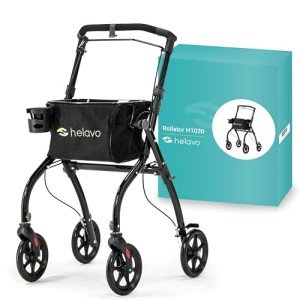
What is a Padded Seat Walker?
A padded seat walker, also known as a rolling walker or rollator, is a wheeled mobility aid equipped with a padded seat for resting. These gadgets generally have four wheels, handlebars, and a seat that allows users to navigate their surroundings securely while providing an area to sit and recuperate when needed. The walker is particularly advantageous for people who find themselves fatigued throughout extended walking or those who need additional support and stability.
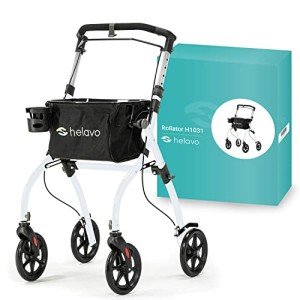
Key Features of Padded Seat Walkers
Here is a thorough list of crucial features to think about when picking a padded seat walker:
| Feature | Description |
|---|---|
| Padded Seat | Provides comfort during rest, often with back support to relieve sitting. |
| Wheels | Normally four wheels for stability and ease of movement, frequently with locking mechanisms. |
| Manages | Ergonomic and adjustable deals with that cater to different user heights. |
| Brakes | Easy-to-use brake systems that enhance safety and control while walking or resting. |
| Storage Options | Typically includes a basket or pouch to carry individual products safely. |
| Lightweight Rollator Walker Frame | Created for ease of transport and handling, normally made from aluminum or steel. |
| Portability | Some models fold up for easy storage and transport, ideal for travel. |
Advantages of Using a Padded Seat Walker
A padded seat walker can significantly enhance the quality of life for users. Here are numerous advantages:
Safety and Stability: A padded seat walker provides additional support, minimizing the threat of falls and injuries.
Convenience: With a built-in seat, users can take breaks as needed without searching for a location to rest.
Improved Mobility: Walkers encourage movement and expedition, promoting independence and motivating a much healthier way of life.
Convenience: Padded seats and ergonomic deals with are created to offer convenience during usage, reducing pressure on the body.
User-friendly: These walkers are often easy to use with minimal training, making them accessible for a broad variety of users.
Picking the Right Padded Seat Walker
When choosing a padded seat walker, consider the list below aspects:
1. Size and Weight Capacity
It's important to pick a walker that accommodates the user's size and weight. Examine the weight limits defined by the manufacturer and make sure the walker offers sufficient stability.
2. Adjustability
Look for models with adjustable handles to tailor the walker height for comfort and safety. This feature is particularly important for users of differing heights.
3. Seat Height and Comfort
Guarantee that the seat height is proper for the user. A comfortable padded seat with back support will enhance the resting experience.
4. Wheel Type
Wheels come in different sizes and styles. Bigger wheels may perform much better on uneven surfaces, while smaller sized wheels are much easier to maneuver indoors.
5. Extra Features
Consider bonus such as integrated storage, brake systems, and safety features. Advanced Walker designs might include devices like cup holders or back-rests.
How to Use a Padded Seat Walker
For maximum advantage and safety, users should be mindful of appropriate techniques:
Adjust the Walker: Set the walker to the proper height, guaranteeing that the user can comfortably grip the handlebars while standing straight.
Test Mobility: Before stepping forward, users need to guarantee the brakes are disengaged and the walker is stable.
Maintain Posture: Engage core muscles and keep a straight posture while walking. The user ought to keep their weight centered over the walker.
Take Breaks: If feeling fatigued, the user can stop, engage the brakes, and rest on the padded seat to rest.
Store Items Securely: Place individual belongings in the walker's storage compartment to prevent carrying extra weight.
Often Asked Questions (FAQ)
Q1: Who can take advantage of using a padded seat walker?
A1: Padded seat walkers are beneficial for elderly individuals, those recuperating from surgical treatment, or anyone with mobility problems who needs support while walking.
Q2: How do I determine which size walker to get?
A2: Consider the user's height and weight, and inspect the walker specs for weight limitations and size recommendations.
Q3: What is the typical lifespan of a padded seat walker?
A3: With proper care and upkeep, padded seat walkers can last numerous years, normally between 5 to 10 years.
Q4: Can I use a padded seat walker outdoors?
A4: Yes, many padded seat walkers appropriate for outdoor use, offered they have actually appropriate wheels designed for various surface areas.
Q5: How do I maintain a padded seat walker?
A5: Regularly inspect the brakes and wheels for wear, tidy the frame, and make sure that all parts are working properly for security.
Final Thoughts
Padded seat walkers represent a vital resource in promoting independence and mobility for those dealing with physical obstacles. By using convenience, stability, and security, they assist enhance the Premium Quality Rollator of life for users. If you or a liked one are considering a padded seat walker, this extensive guide should help in making an educated option. Welcoming mobility aids can result in a satisfying and active way of life, proving that ease of movement is obtainable at any age or condition.
- 이전글바카라광고 토지노 노래방홍보 25.10.12
- 다음글[구글검색:허브밍] 발기부전약 100정 5만원/구매/ 직구/ 후기 25.10.12
댓글목록
등록된 댓글이 없습니다.


